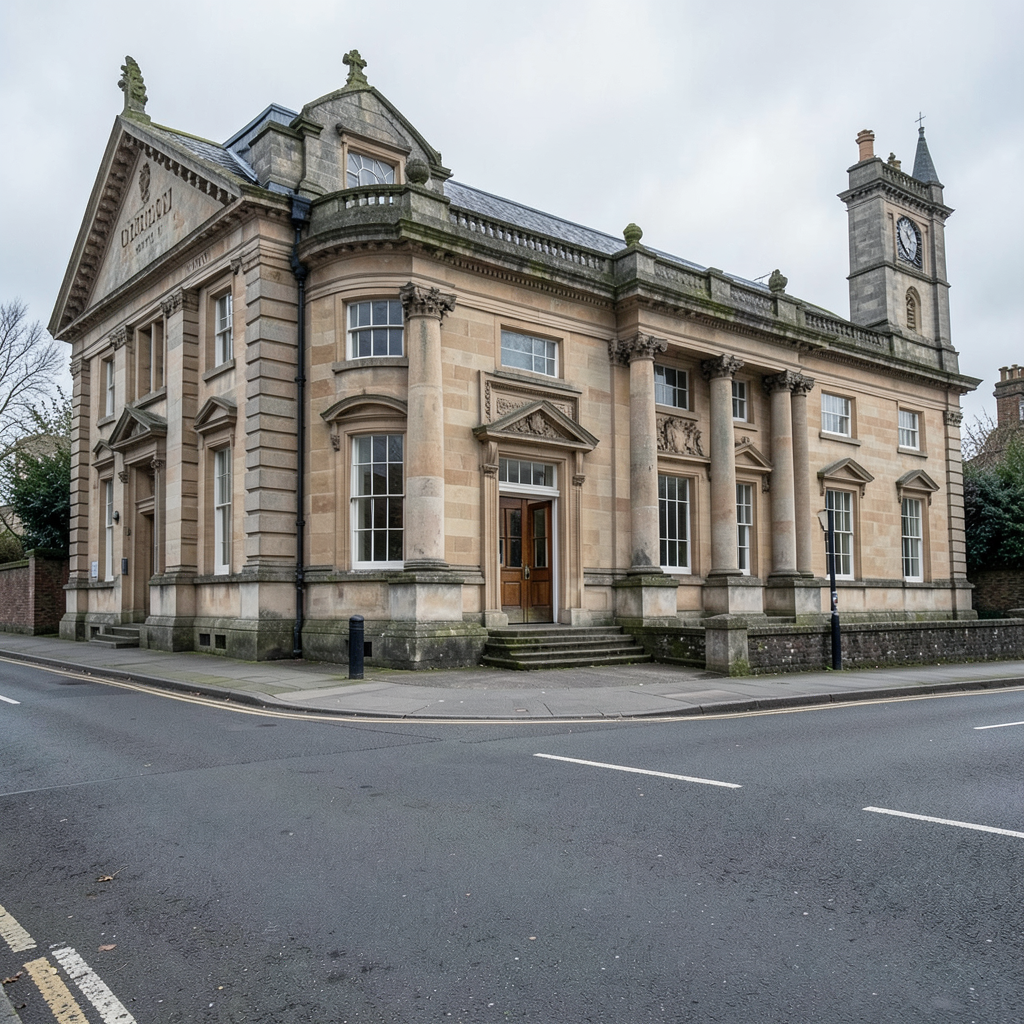

The government has abandoned its strategy to limit jury proceedings at Oxford’s courts after encountering significant resistance from various quarters.
Alex Norris, the Justice Secretary, announced the u-turn, indicating that concerns raised about the initiative had been carefully considered.
The scheme, first put forward during Sir Keir Starmer’s tenure, was designed to address the mounting pressure on courts across the country by confining jury trials to the most severe criminal matters while directing remaining cases to a single presiding judge.
Norris stated that the administration had received criminal courts in a state close to breakdown, with those seeking justice enduring extended waits for their cases to be heard.
He emphasized continued dedication to reducing the volume of pending cases and providing faster resolution for those requiring it.
However, acknowledging the substantial objections regarding plans to expand the number of crown court trials decided without a jury, a strategic shift had been determined.
This modification would enable progress to commence considerably sooner, guaranteeing that individuals pursuing justice would not face indefinite delays under the current administration.
The principle that delayed justice represents denied justice was cited, with assurances given regarding the optimisation of existing resources alongside substantial funding commitments.
David Lammy, who previously held the justice secretary position and had been a prominent supporter of the initiative, had informed parliamentarians that legislative changes were urgently required to spare those affected from protracted waiting periods.
Official statistics from the Ministry of Justice indicated 80,829 matters awaiting resolution by the conclusion of June, with the total volume of outstanding cases having expanded to nearly twice its 2020 level.
At Oxford Crown Court specifically, 602 active matters remained unresolved at the conclusion of March 2026, representing a modest reduction compared to the 621 cases pending at the end of the preceding year.