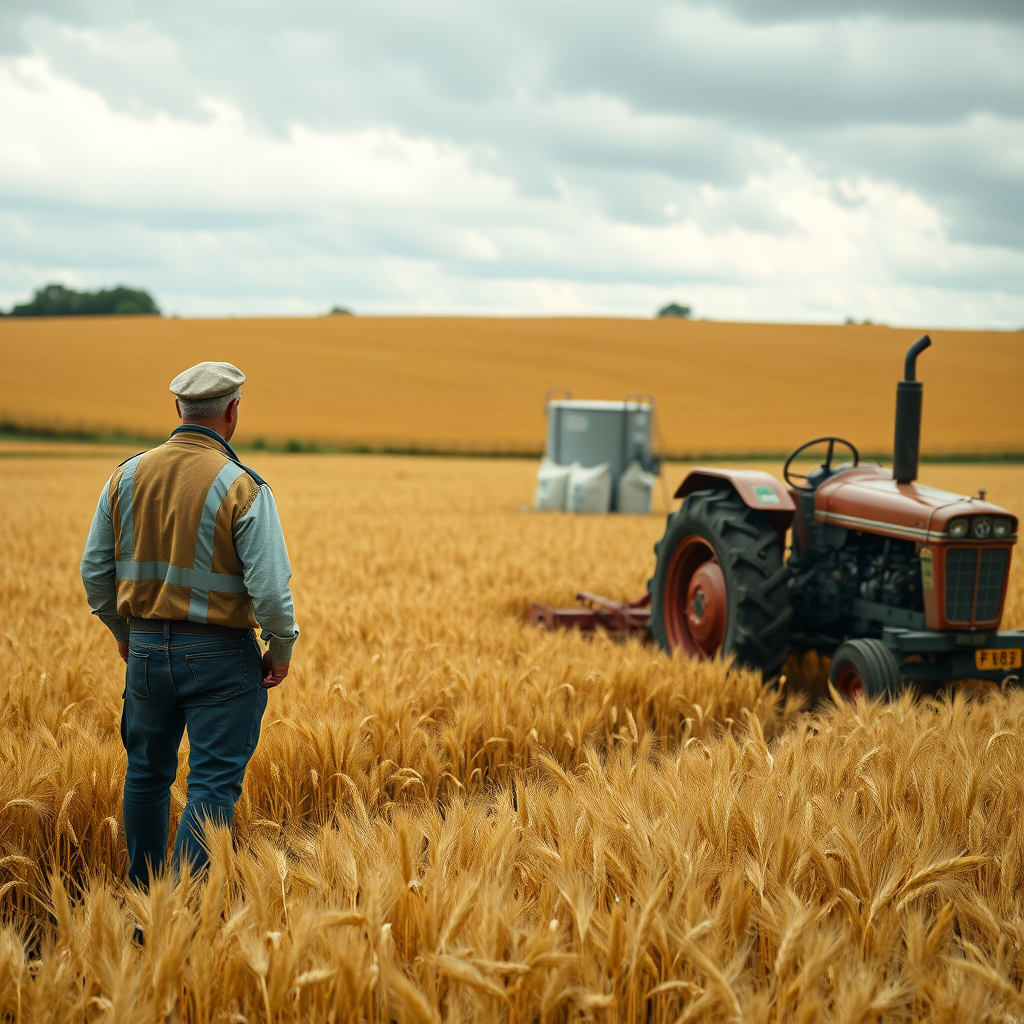

Concerns are growing that rural areas could face fuel shortages as agricultural workers sound alarms about Britain’s food supply crisis.
Two Liberal Democrat MPs representing Oxfordshire constituencies have issued an urgent call about domestic food production this summer, urging ministers to designate the matter as a top national concern.
The pair point to figures indicating certain fertiliser costs have climbed by over 40 percent, while expenses associated with moving goods to and from markets have also risen sharply.
They additionally highlight that the National Farmers’ Union has flagged worries about insufficient supplies of red diesel for the current harvest season, raising the prospect of crops left to spoil in fields.
Matt Lane, who operates a cattle breeding enterprise in Denchworth, explained that as harvest approaches, expenses will rise considerably not only through direct fuel purchases but also through increased charges from contractors and various other inputs.
He noted that as someone producing beef, he requires adequate animal feed for the coming winter, meaning he faces the choice of either cutting herd sizes and producing less, or taking on additional debt.
Glover, the member of parliament for Didcot and Wantage, claimed the farming sector has been let down by the previous administration’s management of overseas trade agreements and the shift away from the older Basic Payment Scheme towards the Environmental Land Management initiative.
He stated that family farms form the foundation of the nation’s food network and deserve appropriate backing through equitable funding, reliable programmes and sustained clarity.
With this in mind, he is scheduled to chair a gathering in Wantage on Friday, May 22, with attendees including Alistair Carmichael, who leads the Environment, Farming and Rural Affairs Committee, alongside delegates from the National Farmers’ Union and the Country Land and Business Association.
The agenda covers their current efforts and potential measures to tackle the financial pressures and other difficulties affecting agricultural workers.
Maynard, who represents Witney, will also participate and observed that those working the land bear the brunt of mounting fuel, fertiliser and distribution expenses stemming from the Iran situation.
With numerous family farms failing to generate profit this year, he expressed concern that additional pressures could prove devastating for many unless ministers step in to help them navigate this difficult period.
Both MPs and their political party contend that guaranteeing Britain sufficient affordable food is not receiving the level of governmental attention the issue demands.
Lane supported this assessment and commented that the present administration appears disconnected from the requirements of countryside communities.
He pointed out that while officials acknowledge the food network as vital national infrastructure, they lack any coherent approach to assisting food producers and related industries during this stretch of elevated fuel costs or over the longer term.