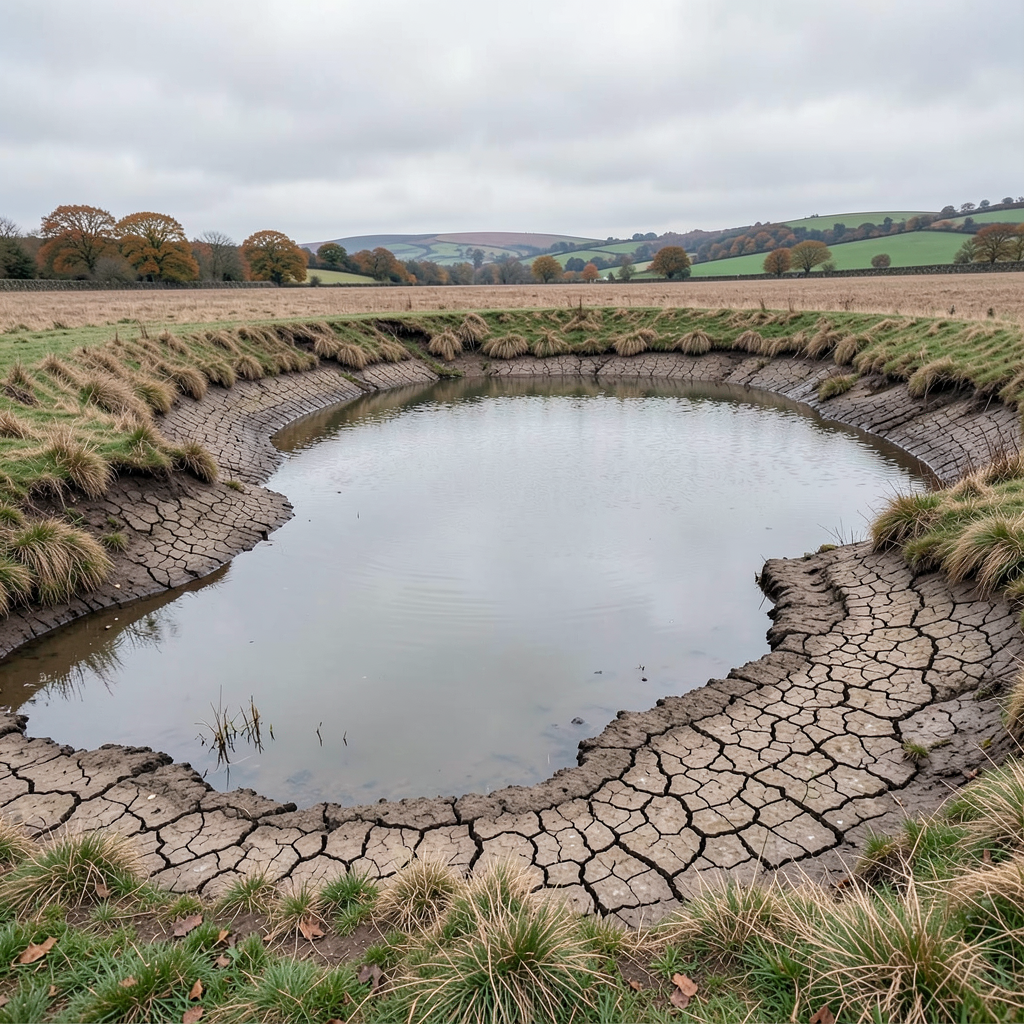

Thames Water is urging its customer base to maintain water conservation efforts despite recent precipitation, as a hosepipe ban remains active across its supply region.
The utility company has cautioned that drought conditions continue to affect the area following an extended period of below-average rainfall.
Reservoir levels across the region have failed to return to typical levels after months of dry weather.
The company has emphasised that water resources continue to face significant pressure following an exceptionally dry spell.
Andrew Tucker, who serves as water demand reduction manager at Thames Water, stated that the arrival of autumn should not lead customers to believe water-saving measures are no longer necessary.
The official noted that falling leaves and cooler temperatures could create a false impression that the need for conservation has ended, yet the organisation’s water resources remain under considerable strain.
The company expressed appreciation to customers who have already implemented measures to reduce consumption.
However, the hosepipe ban will remain in force until conditions show meaningful improvement.
All customers served by Thames Water are subject to the restriction, which is formally designated as a Temporary Use Ban.
The utility indicated that restrictions would only be removed following substantial rainfall and confirmation that water supplies have adequately recovered.
Officials have called for continued vigilance from households, businesses, and gardeners in preserving water supplies.
Recommended measures include limiting shower duration, ensuring taps are fully closed when not in use, and operating dishwashers and washing machines only when fully loaded.
These practices can also decrease hot water consumption, potentially resulting in reduced energy expenditure during winter months.
Data released by Thames Water revealed that rainfall within the Thames catchment area during September amounted to merely half of the typical long-term average, with total precipitation measuring just 29.7 millimetres.
By October 6, cumulative rainfall for the month had reached only one per cent of what would normally be expected.
Reservoir storage figures from the same date showed Farmoor at 68 per cent capacity, while combined London reservoir storage stood at 54 per cent.
The organisation has highlighted that cooler seasonal temperatures typically correspond with heightened hot water consumption for personal hygiene and laundry purposes.
Customers have been advised to utilise the company’s complimentary online water-saving calculator to assess household consumption and potential energy savings.
Thames Water outlined ongoing efforts to address infrastructure issues, having repaired in excess of 1,000 leaks weekly across its distribution network.
The company is also proceeding with the installation of smart metering technology throughout the Thames Valley region.
Practical guidance offered to customers encompasses prompt repair of leaking plumbing fixtures, fitting of water-efficient showerheads, shortening shower routines by approximately two minutes, exclusively using full loads in appliances, and closing the tap during tooth brushing.
A company representative explained that autumn and winter represent the critical periods during which rivers, groundwater sources, and reservoirs would typically undergo natural replenishment.
The official stressed that the volume of sustained precipitation over the approaching months will determine water availability levels during the following spring and summer seasons.