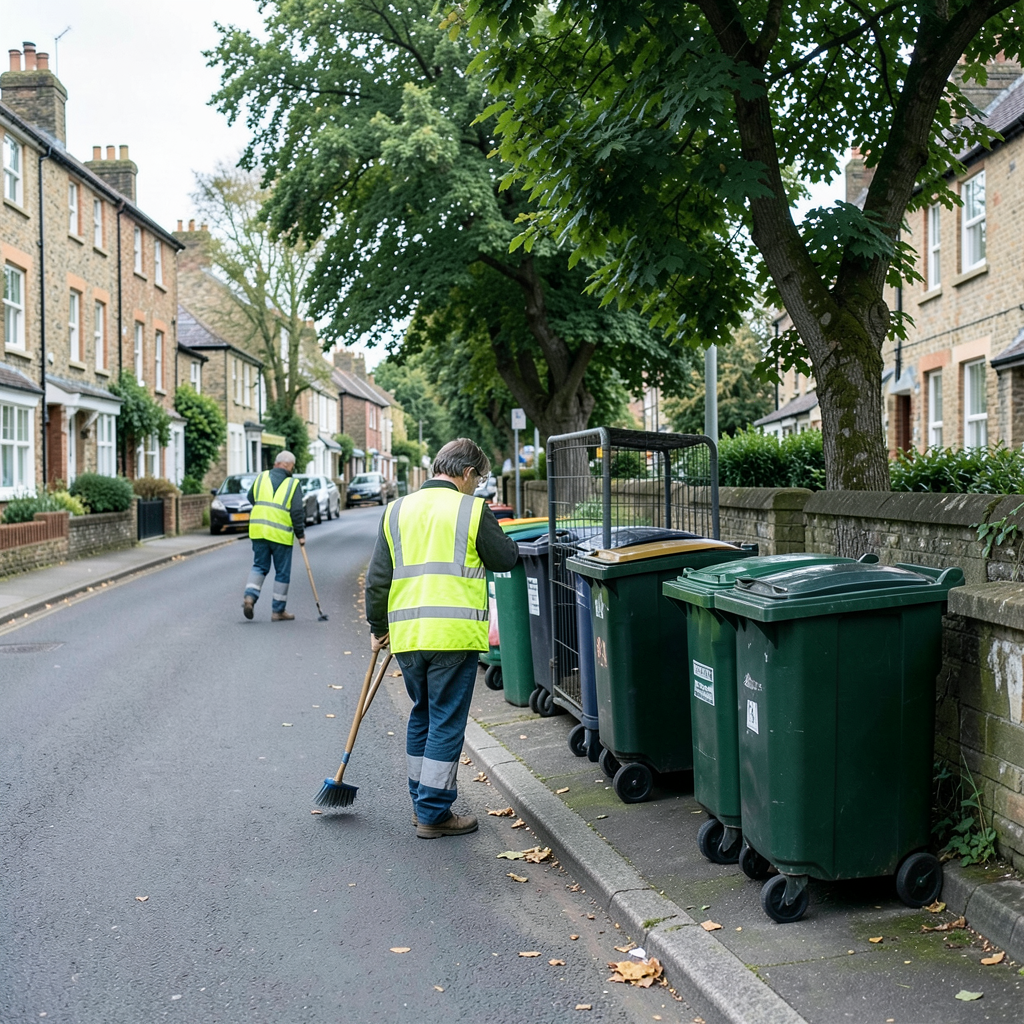

A joint initiative by two Oxfordshire district authorities is challenging local communities to minimise household waste, maintain tidy surroundings, and contribute to cleaner, healthier environments.
The programme extends throughout September and is being coordinated by South Oxfordshire and Vale of White Horse councils.
Its purpose involves demonstrating how minor adjustments to daily routines can benefit the natural world, decrease refuse volumes, and lower household expenditure.
Councillor Sue Cooper, who serves as the cabinet member responsible for environmental matters at South Oxfordshire District Council, explained that many residents express a desire to generate less refuse, yet often perceive meaningful contribution as requiring dramatic lifestyle overhauls.
She emphasised that modest daily practices genuinely accumulate into significant outcomes.
Whether mending items rather than discarding them, accessing tools or equipment intended for single-use purposes, or organising meals to minimise edible waste, residents possess numerous opportunities to participate.
The initiative seeks to render such decisions straightforward, functional, and accessible for families managing demanding schedules.
Throughout the campaign period, both authorities will publish straightforward guidance, community-focused suggestions, and uncomplicated substitutions implementable within households.
These recommendations encompass accessing goods through sharing schemes rather than purchasing, ensuring prepared meals incorporate ingredients approaching their use-by dates, and selecting commodities featuring minimal wrapping materials.
Council representatives noted that every article diverted from landfill assists in preserving raw materials, diminishing refuse quantities, and sustaining tidier residential areas.
The outreach will additionally feature profiles of neighbourhood establishments specialising in refilling containers, facilities lending equipment and tools, volunteer groups conducting street cleaning activities, and educational content regarding proper material recovery.
Councillor Robert Clegg, holding the portfolio for refuse management, environmental measures, and habitat restoration at Vale of White Horse District Council, stated that environmental stewardship need not involve overnight transformations.
He pointed out that routine practices frequently yield the most substantial effects.
Remembering to carry a reusable drinking vessel, reviewing refrigerated stores prior to retail visits, or selecting restoration over replacement whenever feasible all represent meaningful contributions.
The campaign intends to illustrate how waste reduction remains uncomplicated, cost-effective, and inclusive for entire households.
The launch commences with five straightforward recommendations: limiting purchases to genuine requirements, maximising the lifespan of existing possessions, redistributing unwanted functional items through repair, donation, or lending schemes, favouring goods encased in reduced packaging, and preserving uneaten portions for subsequent consumption.
Updates, recommendations, and creative concepts will be distributed via the councils’ social media accounts throughout September.
Comprehensive details feature on the Waste Less.
Clean Spaces.
Better Places.
web pages hosted by both South Oxfordshire and Vale of White Horse council websites.
Community members may also engage directly with the councils’ refuse management personnel at scheduled market appearances, with four confirmed dates in September: Abingdon on the seventh between eight in the morning and three in the afternoon, Didcot on the twelfth from nine until two, Wantage on the sixteenth between eight and three, and Wallingford on the twenty-fifth from nine until two.
Further sessions are planned for Faringdon, Thame, and Henley during October.