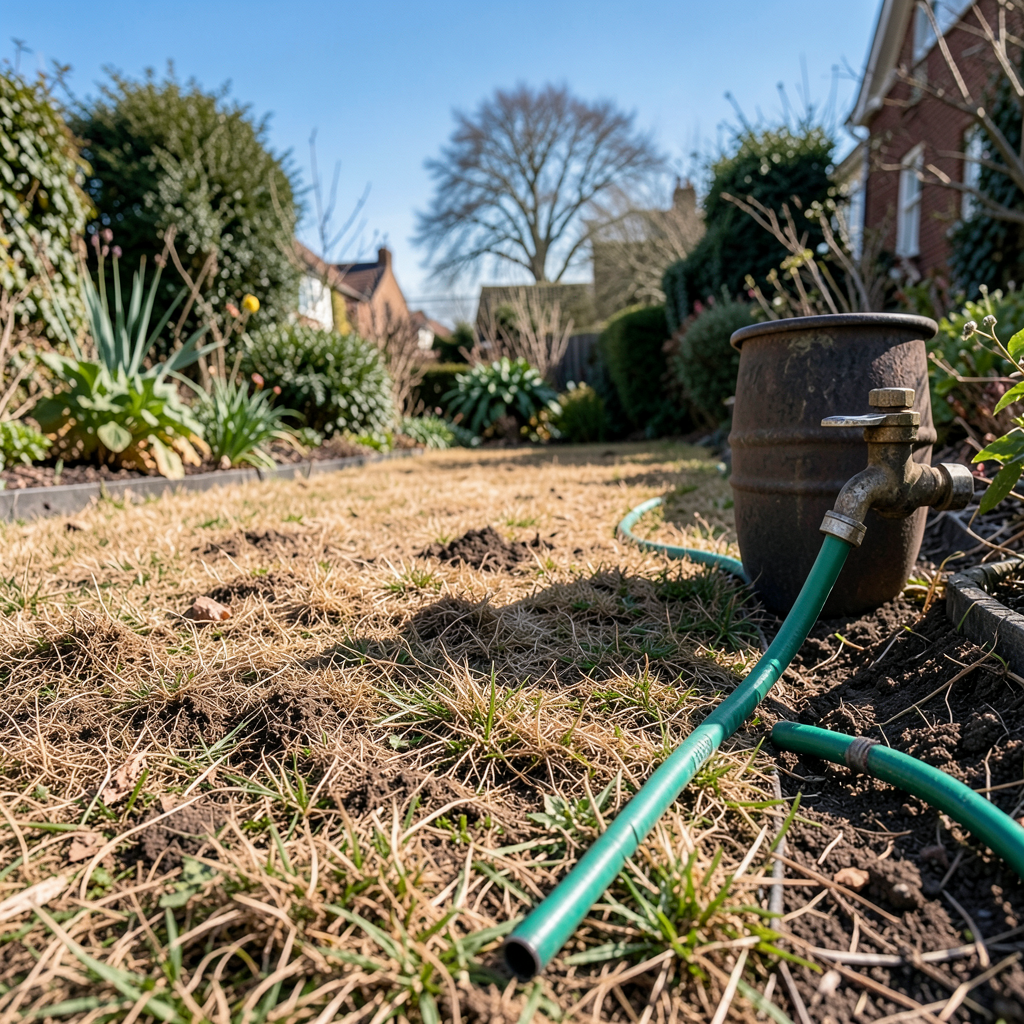

The hosepipe ban imposed by Thames Water could persist until December, according to company officials.
Nevil Muncaster, Thames Water’s strategic water resources director, addressed the ongoing drought conditions in remarks to Times Radio.
The utility supplies water to multiple areas, encompassing the Thames Valley region.
The restriction was introduced after a summer characterized by severely below-average precipitation, with demand surging by half due to temperatures climbing above 30 degrees Celsius.
Despite the arrival of cooler conditions and recent precipitation, the prohibition on garden hoses will continue as the company works to address current supply deficits.
Speaking to the broadcaster, Muncaster indicated that realistically the measure would not be lifted before the year’s conclusion, describing it as necessary for environmental protection.
Company representatives noted that even with increased rainfall, considerable time would be required to address the accumulated deficit and restore typical reserve levels.
Official forecasts from the Environment Agency suggest the coming period may experience below-average precipitation.
The southern and south-eastern portions of the country, where Thames Water operates, have endured more significant supply pressures than northern and north-western territories.
Regional data illustrates this disparity: South Essex recorded just five percent of typical April rainfall, while Esk Dumfries in Scotland received 103 percent of seasonal averages.
Thames Water’s distribution network extends across Gloucestershire, Wiltshire, Surrey, Greater London, and sections of Essex, with the hosepipe ban affecting millions of customers throughout these territories.