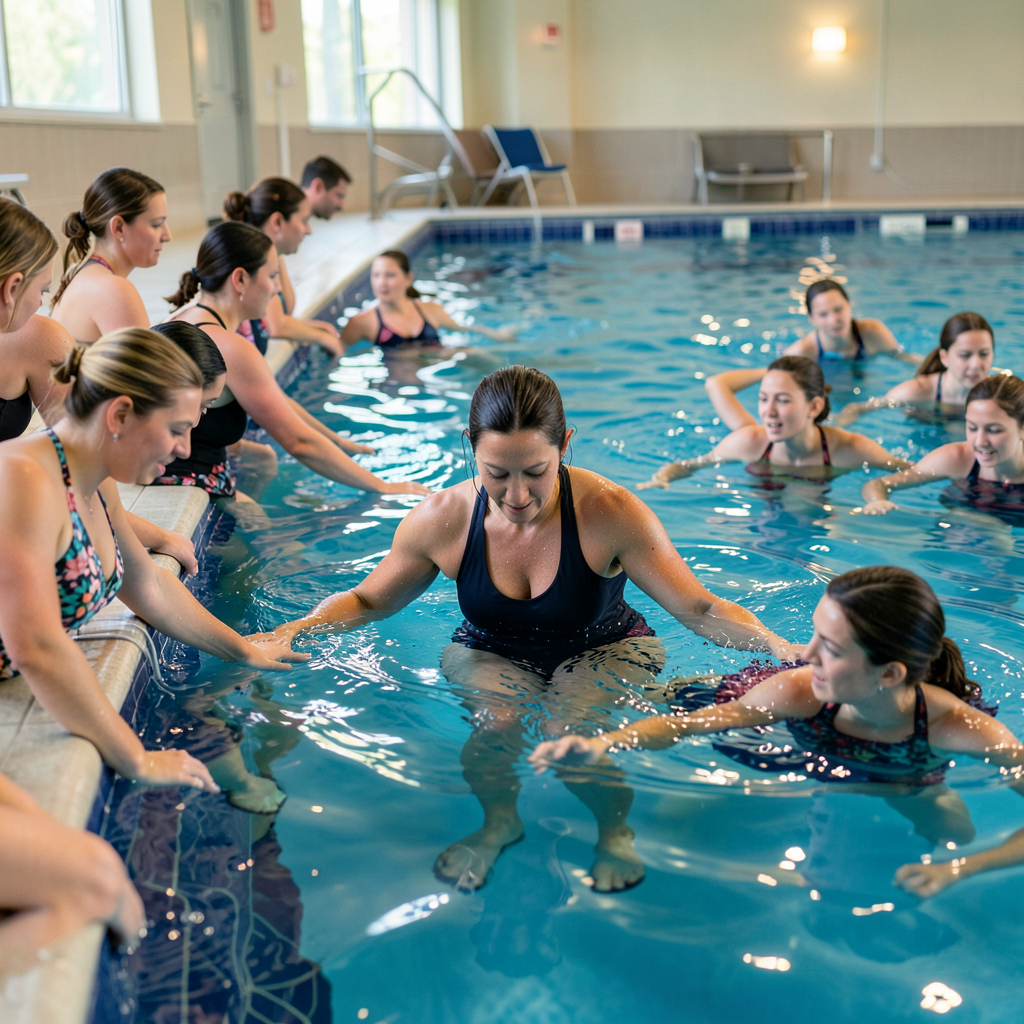

A swimming coach has enabled more than 100 women from communities where swimming was not traditionally practised to learn through women-only sessions.
Abbie Mumbi, affiliated with Gal Hope Inspired, established the programme to assist women from various cultural backgrounds, many of whom had never acquired swimming skills because of limitations in their countries of origin.
The sessions operate at Barton Pool and Leys Leisure Centre in Oxford, providing a secure and encouraging setting for developing water confidence.
According to Ms Mumbi, she teaches women who have not enjoyed equal opportunities to learn swimming.
Many women and girls were prohibited from swimming in their home nations, and upon arriving in the United Kingdom, they often feel anxious about water.
This apprehension makes them less inclined to take their children to swimming pools.
She explained that the classes benefit both the participants and their families by inspiring their children to swim, thereby disrupting patterns of non-swimming within households.
When women attend her sessions at Barton Pool and Leys Leisure Centre, the cycle of non-swimming can be broken and a new beginning as swimmers can be established.
Ms Mumbi recognises that obstacles exist beyond simply lacking swimming experience, including religious or cultural considerations that necessitate modest swimming attire.
Numerous participants in her sessions wear burkinis or hijab-compatible swimwear, and certain Oxford facilities have installed window coverings to ensure privacy during women-only periods.
According to Ms Mumbi, her organisation Gal Hope Inspired focuses on empowering women who require the most support and providing them with optimism.
She is collaborating with leisure centres to dismantle obstacles and assist them in becoming more accessible to local residents and communities.
The atmosphere during instruction is characterised as calm and supportive, with participants frequently assisting one another in their learning.
One participant reported that her apprehension diminished progressively while her abilities developed.
Following swimming sessions with Abbie, she can now swim with confidence, appreciate being in water, and feels proud of her progress.
Another participant described Ms Mumbi not merely as an instructor but as an inspiring mentor who enables women to have faith in themselves.
Ms Mumbi maintains that swimming provides benefits that extend well beyond personal safety.
When barriers are removed for these women, they discover numerous pleasures in the activity.
Their self-assurance increases, and they experience greater inner contentment.
Families enjoy more positive shared experiences.
The isolation of remaining at home diminishes.
She also emphasised the significance of water safety in preventing future accidents and tragedies.