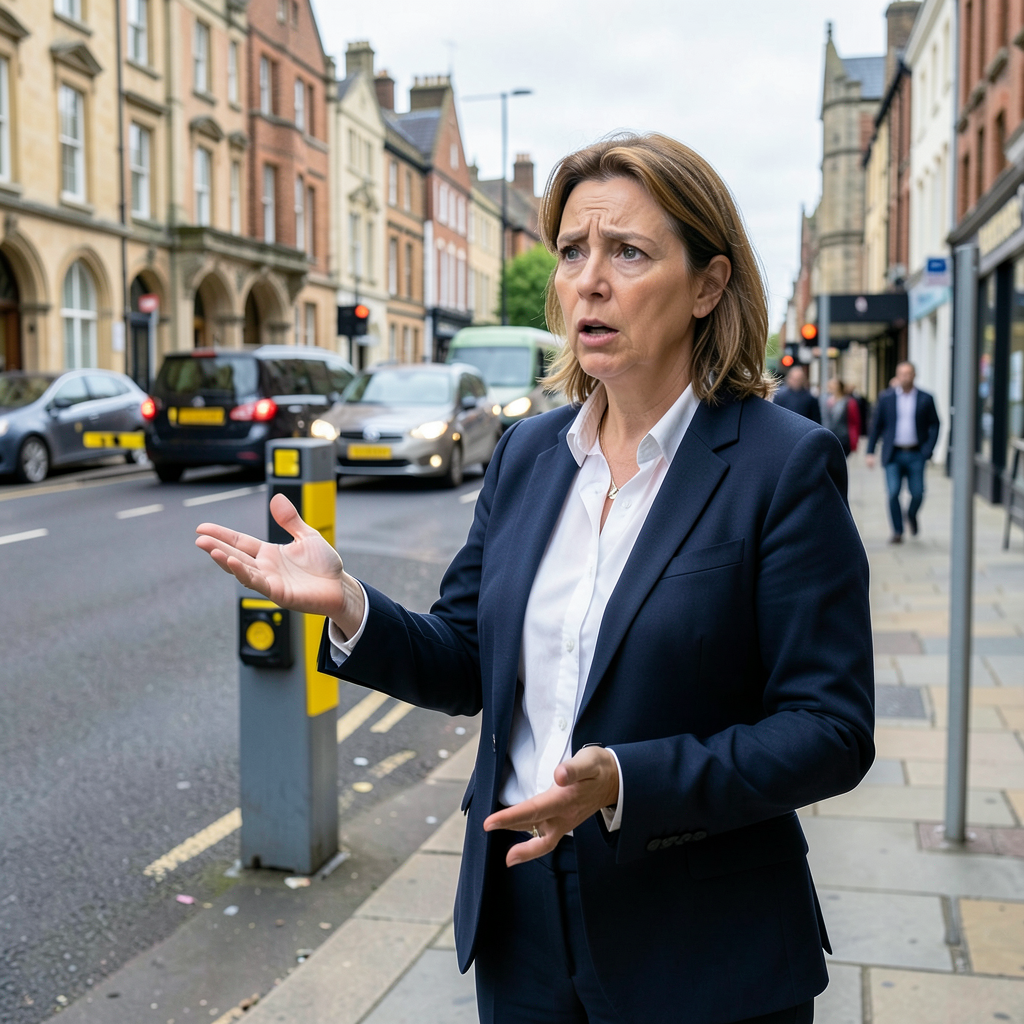

The Labour representative for Oxford East has raised objections to proposed traffic filters in the city, while her political counterpart from the Liberal Democrats has declined to comment on the scheme.
Anneliese Dodds, who holds the constituency for Oxford East, previously expressed reservations about the congestion charge ahead of its introduction, describing it as a hasty measure imposed without adequate local input.
At that time, she contended that Oxford did not possess sufficient public transport infrastructure to support such a policy.
In her current opposition to the traffic filters, Ms Dodds indicated that residents’ concerns were being overlooked by Oxfordshire County Council.
She explained that while people in Oxford wish to adopt environmentally sustainable practices, they require genuine engagement from the local authority to do so.
Ms Dodds expressed worry that the council was proceeding with its bus gates proposal without properly considering the potential consequences for the community, mirroring the approach taken with the congestion charge.
She emphasised that the primary issue raised by constituents was the necessity for improved public transport options as a prerequisite for reducing private vehicle usage, stating this had been her consistent priority as their elected representative.
Layla Moran, the Liberal Democrat MP for Oxford East and Abingdon, whose own party initiated the traffic filter policy, has remained silent on the latest proposal.
In earlier remarks, she endorsed the underlying principle that action was required to address Oxford’s traffic problems, though she stopped short of endorsing the congestion charge itself.
The campaign organisation Open Roads for Oxford, which campaigned against both the congestion charge and the current traffic filter plans, has alleged that Ms Moran has not responded to invitations to discuss the measures with concerned residents and business owners.
When approached for a response, Ms Moran offered no statement regarding the traffic filters.
Gareth Epps, the county council cabinet member responsible for transport management, announced that a six-month public consultation would be conducted.
He cited evidence from the temporary congestion charge period showing positive changes in travel behaviour, including increased usage of park and ride facilities and higher bus passenger numbers.
Mr Epps stated that the traffic filter pilot represented the next phase in addressing longstanding congestion issues affecting the city.
He expressed a desire to assess the trial’s effects and gather input from local residents, organisations, and businesses, indicating that this feedback would inform future transportation improvement strategies for Oxford and its surrounding areas.
The traffic filter pilot will function comparably to the temporary congestion charge arrangement, with enforcement points positioned at six identical locations and a permit system operating alongside it.
The principal distinction involves the removal of the option for motorists to pay a five-pound charge to pass through the traffic filters.