
The former Top Gear presenter has apparently added his backing to a push calling for a fundamental shift in how the government handles matters affecting the countryside.
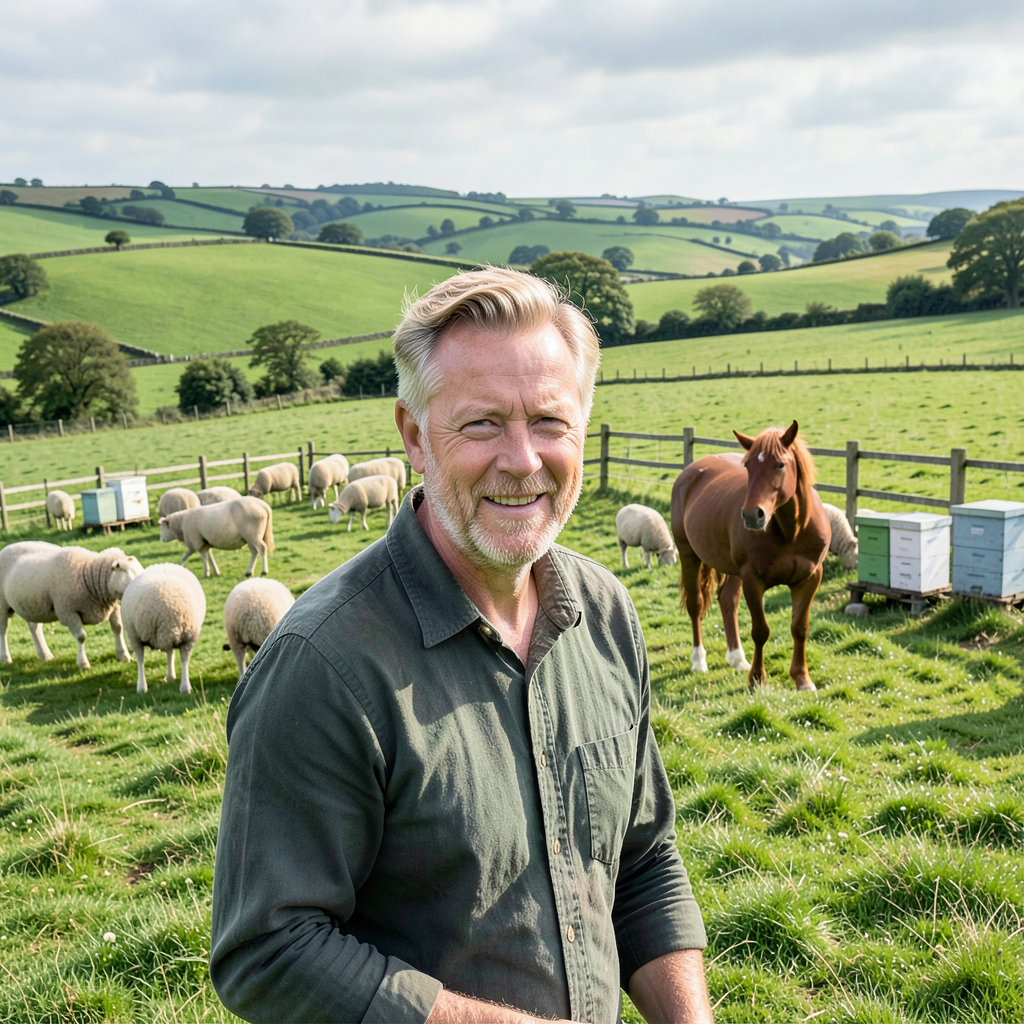
The owner of the Diddly Squat agricultural enterprise posted footage to Instagram depicting rural life unfolding at the official residence of the Prime Minister, featuring scenes of apiculture, livestock farming, and equestrian events.
The visual content was produced by the Countryside Alliance and seeks to draw attention to what the organisation describes as the damaging effects of 27 separate Labour initiatives on rural areas.
The policies singled out comprise the imposition of inheritance taxation on agricultural holdings, elevated national insurance contributions impacting establishments such as public houses, proposals to prohibit trail hunting, and limitations placed on sporting shooting activities.
The initiative has further secured backing from David Cameron, the former Prime Minister, who advocated for solidarity across all sectors of rural England.
Lord Cameron addressed supporters at a gathering for the campaign, asserting that divisions among rural interests would prove counterproductive and that cohesion remained essential.
He stated that individuals need not personally participate in hunting to recognise why preventing a ban on trail hunting mattered.
He added that non-farmers could still appreciate why resisting agricultural taxation was crucial.
He suggested further that those with no connection to public houses could nonetheless understand the significance of protecting rural hostelries.
The former Labour home secretary, Lord David Blunkett, has also expressed support for the campaign.
Research commissioned by the Countryside Alliance, surveying two thousand adults, indicated that merely fifteen percent of those residing in countryside areas believed the Labour administration demonstrated concern for their circumstances.
Nevertheless, the same research revealed that in excess of twenty-five percent of rural inhabitants would consider voting for Labour should the party demonstrate a meaningful change in its engagement with countryside communities.
Tim Bonner, the chief executive of the Countryside Alliance, commented that the survey results underscored both the urgency of governmental reconsideration and the potential electoral advantages of what he characterised as a rural reset.