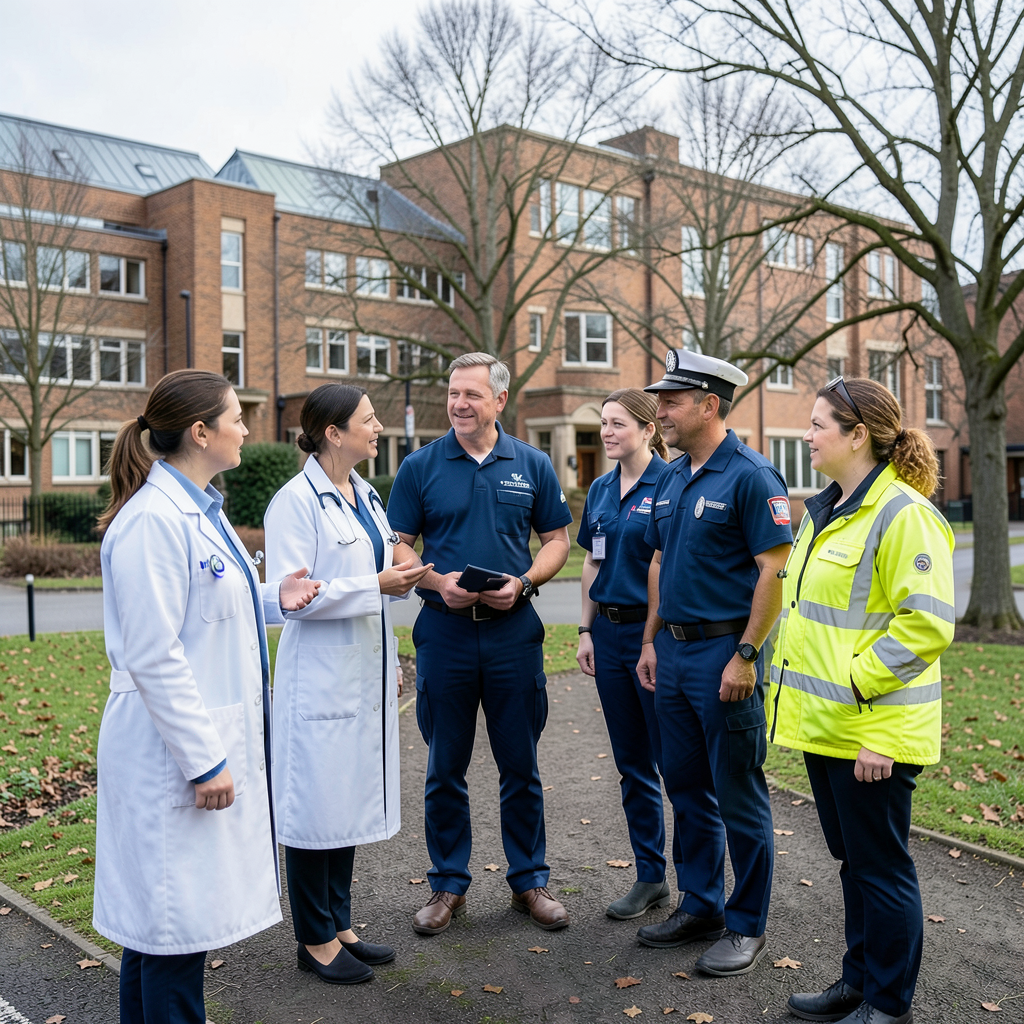

Multiple health and social care providers across Oxfordshire have united to address seasonal challenges and ensure residents can access appropriate medical support.
The initiative, coordinated through Team Oxfordshire, brings together acute hospitals, general practices, emergency transport services, mental health professionals, care providers and voluntary groups.
The objective is maintaining operational capacity during colder periods when respiratory infections, influenza and pre-existing medical issues typically drive up service usage.
A central priority involves enabling people to continue living independently in their own residences and decreasing avoidable trips to hospital emergency departments.
According to the senior operational lead at the county’s main NHS hospital trust, supporting individuals to remain well at home represents a fundamental aspect of the strategy.
The approach focuses on preventing avoidable admissions while facilitating safe and timely discharges for those who require hospital treatment.
Recovery environments outside clinical settings are often more beneficial for patients, and most individuals express preference for receiving care within or close to their own homes whenever feasible.
The public is being advised to select healthcare options appropriate to the severity of their condition, with emergency departments designated for critical and life-threatening situations.
For non-urgent medical requirements, community pharmacies, family doctors, local minor injury facilities and the digital NHS 111 platform offer suitable alternatives.
The senior nursing professional at the mental health NHS trust emphasised that preserving both physical and psychological wellness becomes especially vital during winter months.
Support mechanisms span community-based facilities, home nursing services and mental health provision.
Mental health crisis support remains accessible at any hour through the NHS 111 telephone service, with additional counselling resources available through Oxfordshire Talking Therapies.
The medical director at the regional integrated care board encouraged those meeting vaccination criteria to maintain current immunisations against influenza, COVID-19 and respiratory syncytial virus.
Individuals managing chronic illnesses such as diabetes, respiratory conditions and cardiovascular problems were advised to adhere to prescribed treatments and keep scheduled medical appointments.
The local authority cabinet member responsible for adult services directed residents toward community-based assistance through Live Well Oxfordshire, highlighting how neighbourhood organisations can address isolation and provide help with various health needs.
Information about preventing falls during hazardous winter conditions is accessible through the mental health trust’s dedicated online resources.
The regional ambulance service is scaling up preparations for heightened activity across its emergency response and advice line operations.
An operational director noted that utilisation of both telephone services traditionally rises during winter.
The public is requested to utilise the online NHS 111 platform where feasible, enabling call handlers to prioritise those requiring urgent emergency intervention.
While paramedic crews remain available for genuine emergencies involving serious incidents, strokes and cardiac events, these resources should be reserved for such critical situations.
The collaborative effort will persist in aligning capacity and services throughout the season to benefit residents and alleviate pressure on acute hospital facilities.