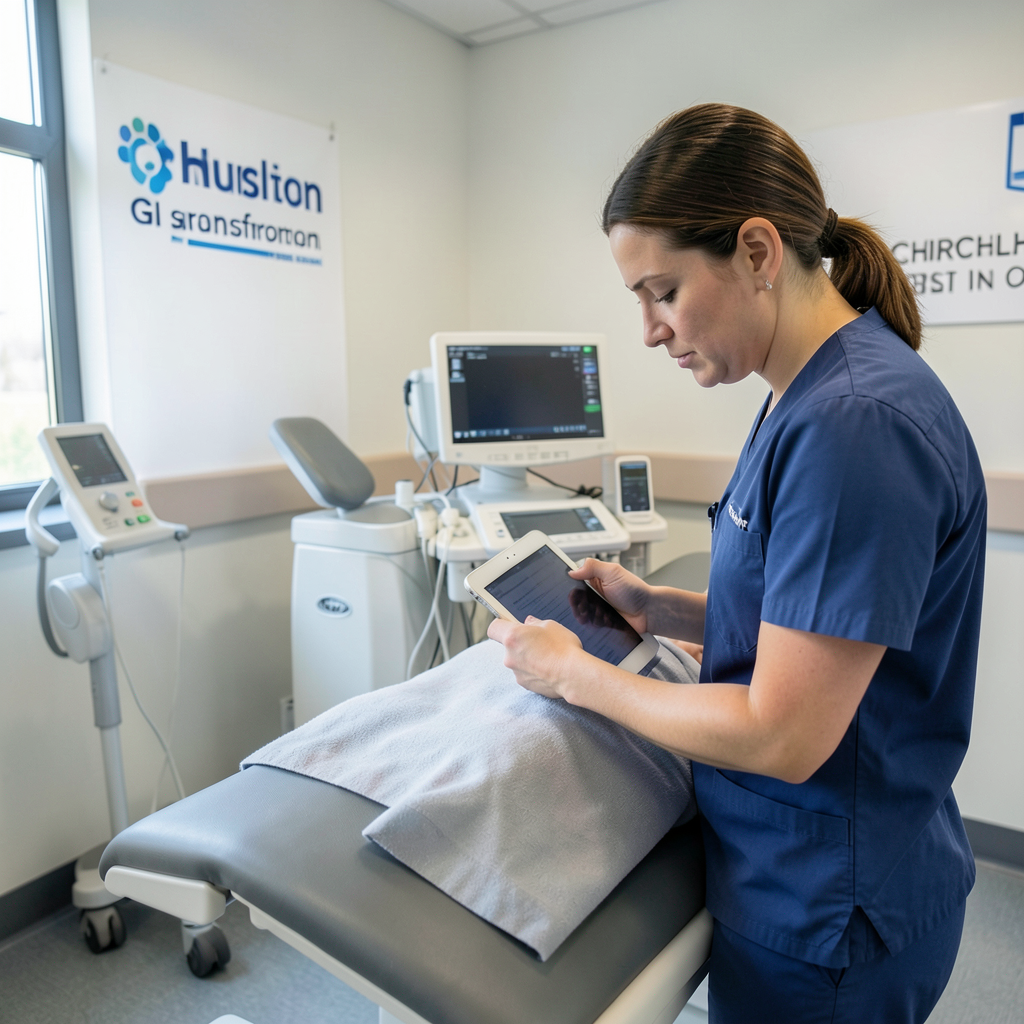

A transformation of hospital services has reduced patient waiting periods by more than half within a six-month timeframe.
The Lower Gastrointestinal Physiology Service located at Churchill Hospital, operated by Oxford University Hospitals, provides care for individuals suffering from intricate bowel and pelvic floor disorders.
Following a comprehensive restructuring, individuals seeking initial appointments at the healthy bowel clinic now experience waits of between 11 and 14 weeks, compared to the previous 54-week delay.
Similarly, those requiring anorectal physiology assessments now wait approximately seven weeks rather than 26.
Kim Gorissen, who heads the Oxford Pelvic Floor and Sacral Nerve Stimulation Service at the trust, explained that the enhancements stemmed from an examination of referral procedures.
The review identified circumstances where patients had been referred prior to exhausting conservative treatment options, alongside cases where individuals requiring specialist evaluation were experiencing unwarranted delays.
Multiple approaches were employed to address the backlog, with substantial collaborative effort from various clinical disciplines contributing to the service’s redesign.
The number of patients awaiting first appointments has fallen from 244 to 103, while approximately 80 individuals now receive care each month across the specialist clinics.
Individuals no longer encounter postponements when arranging follow-up consultations, enabling medical professionals to track recovery and modify treatment strategies more promptly.
Felicity Taylor-Drewe, the trust’s chief operating officer, noted that decreasing waiting periods and enhancing treatment accessibility represent core organisational objectives.
The outcomes illustrate what becomes possible when clinical and operational staff collaborate to restructure services according to patient requirements.