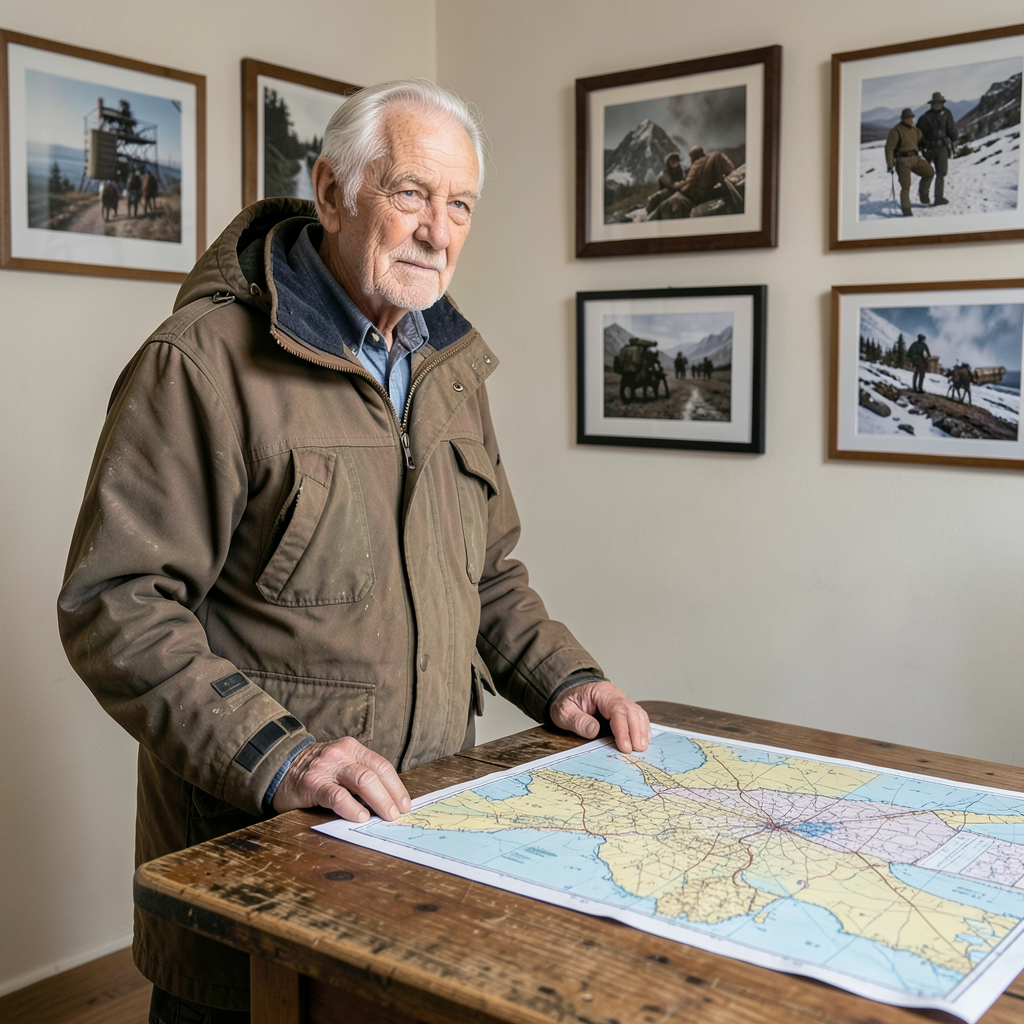

Concerns have been raised regarding the wellbeing of celebrated explorer Sir Ranulph Fiennes, with those close to him reporting that his condition has deteriorated significantly.
The adventurer, writer and former army officer earned the designation of World’s Greatest Living Explorer from the Guinness Book of World Records in 1984.
Across a professional life exceeding half a century, he has directed more than 22 expeditions to extreme and inaccessible locations, setting numerous endurance records while generating upwards of £14 million for charitable causes.
The veteran explorer, now 82 years of age, maintains significant ties to Oxfordshire; although born in Windsor, his ancestral home sits at Broughton Castle in the vicinity of Banbury.
Through this lineage, Sir Ranulph acquired the hereditary distinction of serving as the 3rd Baronet of Banbury.
Fiennes has frequently travelled to Oxford for lecture engagements, performing at venues including the New Theatre Oxford and participating in cultural events such as the Oxford Literary Festival.
The adventurer has previously spoken candidly about receiving a diagnosis of Parkinson’s disease, and sources indicate he has recently transitioned to residential care.
Nevertheless, those in his inner circle have grown worried following his complete absence from public appearances since 2024.
Anton Bowring, among his most trusted companions, conveyed to the Telegraph that he had encountered Fiennes on several occasions during the earlier part of that year, noting a marked decline in both his physical and cognitive state.
According to reports, Fiennes has been admitted to and discharged from multiple care facilities throughout London using assumed identities, with relatives and associates remaining uninformed of his current whereabouts.
Bowring commented that this period represents a poignant conclusion to an exceptional existence.
He expressed certainty that Fiennes remains alive, yet acknowledged a sense of mourning and farewell.
Bowring described Fiennes as approaching the status of a national treasure, and questioned why no one had sought answers regarding his location.