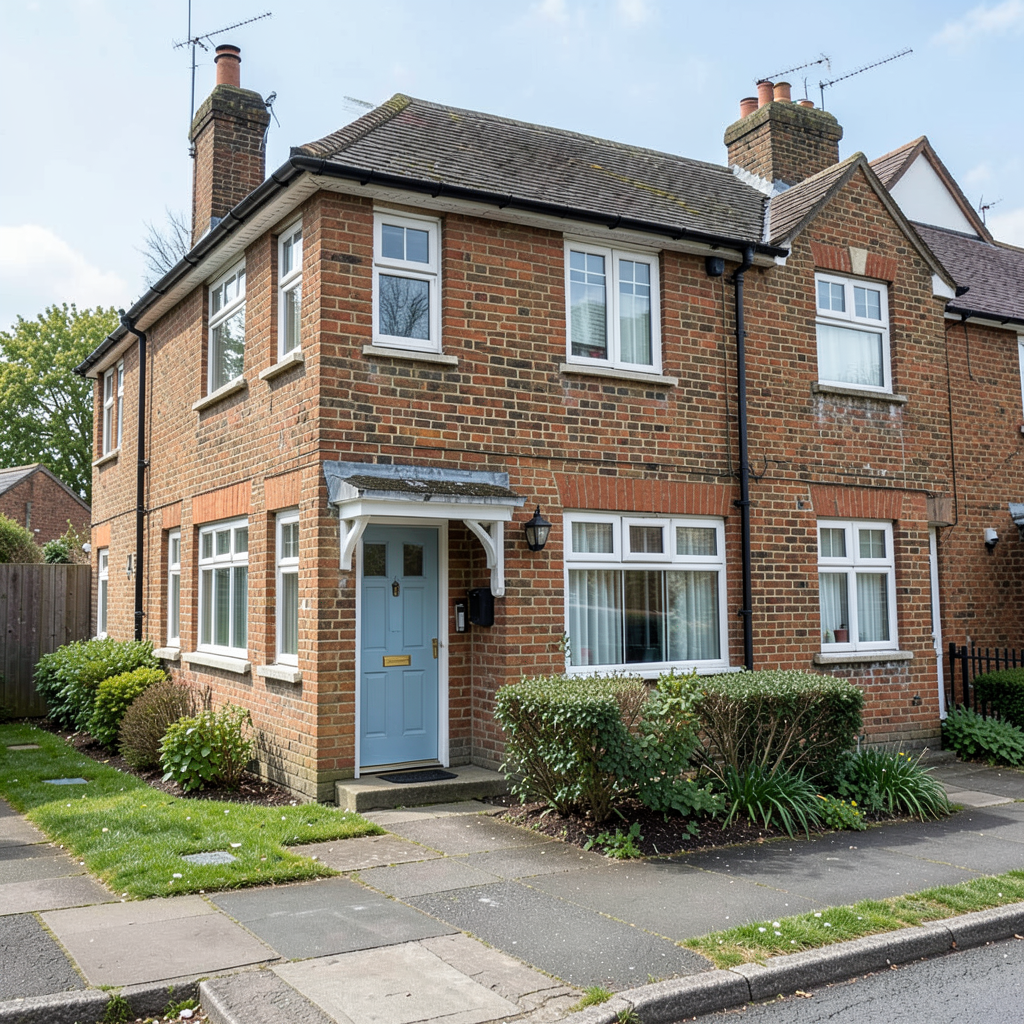

Research indicates that British homeowners increasingly prioritise harmonious relationships with those living nearby.
A nationwide poll commissioned by Blenheim Estate Homes discovered that three-quarters of respondents would commit additional funds to secure residence within a thriving neighbourhood.
The investigation, which encompassed responses from 2,000 individuals, uncovered that almost 60 per cent expressed a desire for the ability to assess potential neighbours before relocating to a new area.
An overwhelming 94 per cent of participants indicated that an unpleasant neighbour represents their worst residential nightmare.
A spokesperson from Blenheim Estate Homes noted the research validates the company’s longstanding conviction that prospective property purchasers place significant importance on neighbourly relations and community atmosphere, principles embedded throughout their development projects.
The survey further revealed that just over a quarter of participants had contemplated relocating specifically to distance themselves from problematic neighbours.
While 55 per cent claimed their surrounding residents exhibited intrusive tendencies, 64 per cent admitted to displaying similar curious behaviour themselves.
Approximately 70 per cent confessed to remaining indoors specifically to circumvent encountering neighbours.
Additionally, 43 per cent acknowledged using a neighbour’s waste container when their own was full.
Common neighbourly assistance reported by respondents included accepting parcels on behalf of others at 44 per cent, placing external bins out for collection at 42 per cent, and tending to houseplants during absences at 27 per cent.
Grievances about neighbours most frequently centred on loud social gatherings at 51 per cent, intrusive behaviour at 38 per cent, and persistent home improvement sounds at 35 per cent.
Blenheim Estate Homes is presently constructing the Hill Rise development in Woodstock, an environmentally sustainable community situated in Oxfordshire.
The project, delivered collaboratively with Pye Homes, will eventually accommodate as many as 180 residential properties, with the initial stage comprising 48 dwellings.