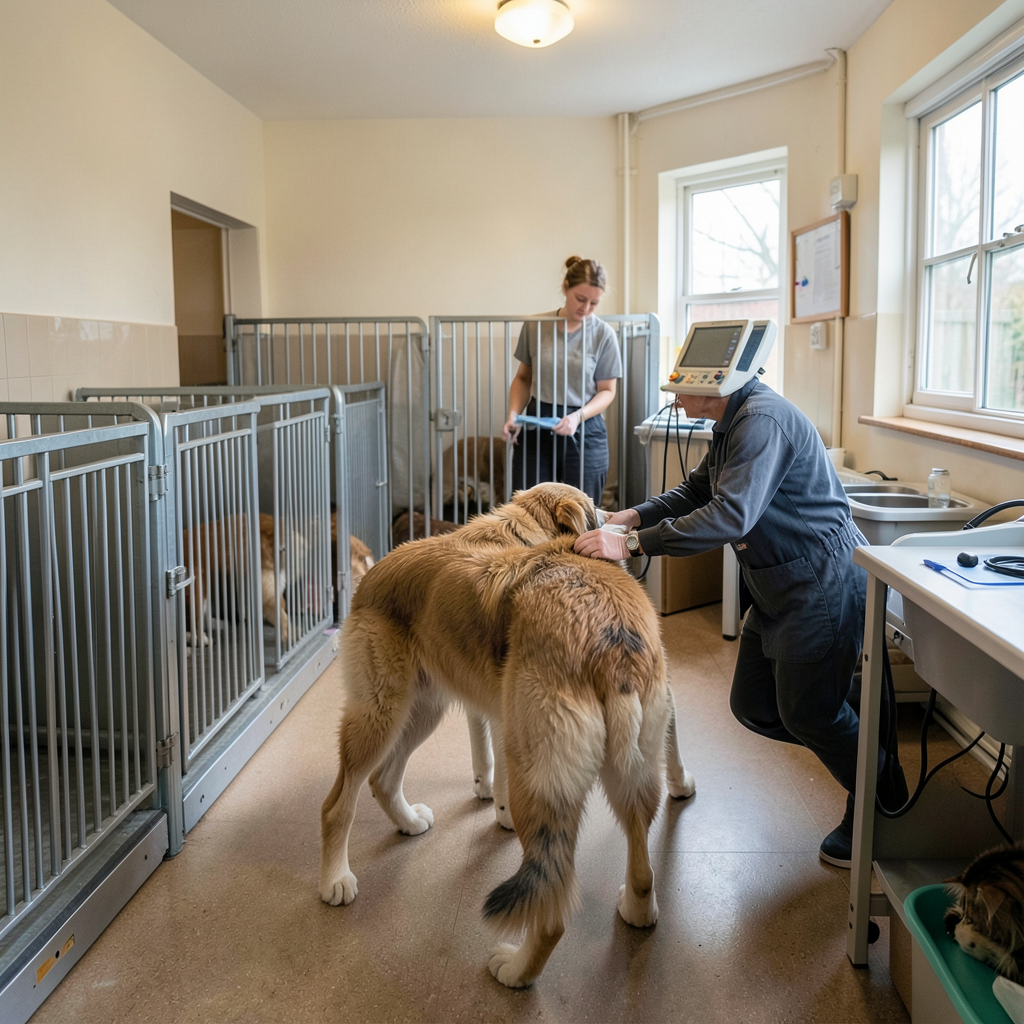

A Banbury-based animal welfare organisation has secured additional funding to assist with escalating veterinary expenses.
Banbury Animal Rescue and Kindness Service, commonly known as BARKS, operates as a modest self-funded charitable operation within Oxfordshire.
The group was granted three hundred pounds by the housebuilding company David Wilson Homes, whose local housing project named The Pavilions stands in proximity to the charity’s operations.
The financial contribution will be directed toward the organisation’s efforts to provide care and find new homes for hundreds of small creatures annually throughout Oxfordshire and neighbouring regions.
Ann Collins, chair of BARKS, explained that the money would be allocated specifically toward substantial veterinary costs.
Animals requiring neutering, vaccinations and health assessments receive these procedures prior to adoption or placement within permanent foster arrangements.
The organisation functions entirely through unpaid helpers, with no employed personnel on the staff.
Administrative expenditures are predominantly covered by these volunteers themselves, meaning available resources go toward feeding and maintaining the animals in their care.
BARKS accepts cats, guinea pigs, rabbits, hamsters and gerbils, offering medical intervention and opportunities for renewed lives through thoughtful rehoming programmes.
Certain animals remain under the charity’s long-term supervision because of advanced years, medical conditions or behavioural characteristics, tended to by an expanding community of foster volunteers.
The charity additionally maintains a sanctuary facility for cats incapable of domestic living.
According to Collins, BARKS represents the sole small animal rescue service operating from Banbury, and the organisation considers its activities essential.
Assistance is sought not merely by members of the general public but also by local government bodies and occasionally by national charitable groups seeking emergency shelter for surrendered creatures.
With veterinary charges persisting in their upward trajectory, the organisation frequently reaches full capacity and depends upon charitable contributions to sustain its activities.
Collins noted that 2024 presented considerable difficulties, as available finances were depleting while operational expenses continued rising.
Budgetary management receives careful attention, yet the situation remains challenging and external assistance becomes necessary.
Local residents were encouraged to contribute, with Collins emphasising that no gift proves insufficient.
Supporters considering donations might include single cans of feline food, paper towels or sanitising cloths among their regular purchases, with any assistance welcomed gratefully.
Helen Lewis, managing director at David Wilson Homes Mercia, stated that supporting communities within the regions where new residential developments are constructed constitutes a priority for a major housebuilder.
BARKS performs important functions assisting local creatures in recovering wellbeing and securing alternative households, making the company pleased to provide this contribution toward the charity’s veterinary obligations.