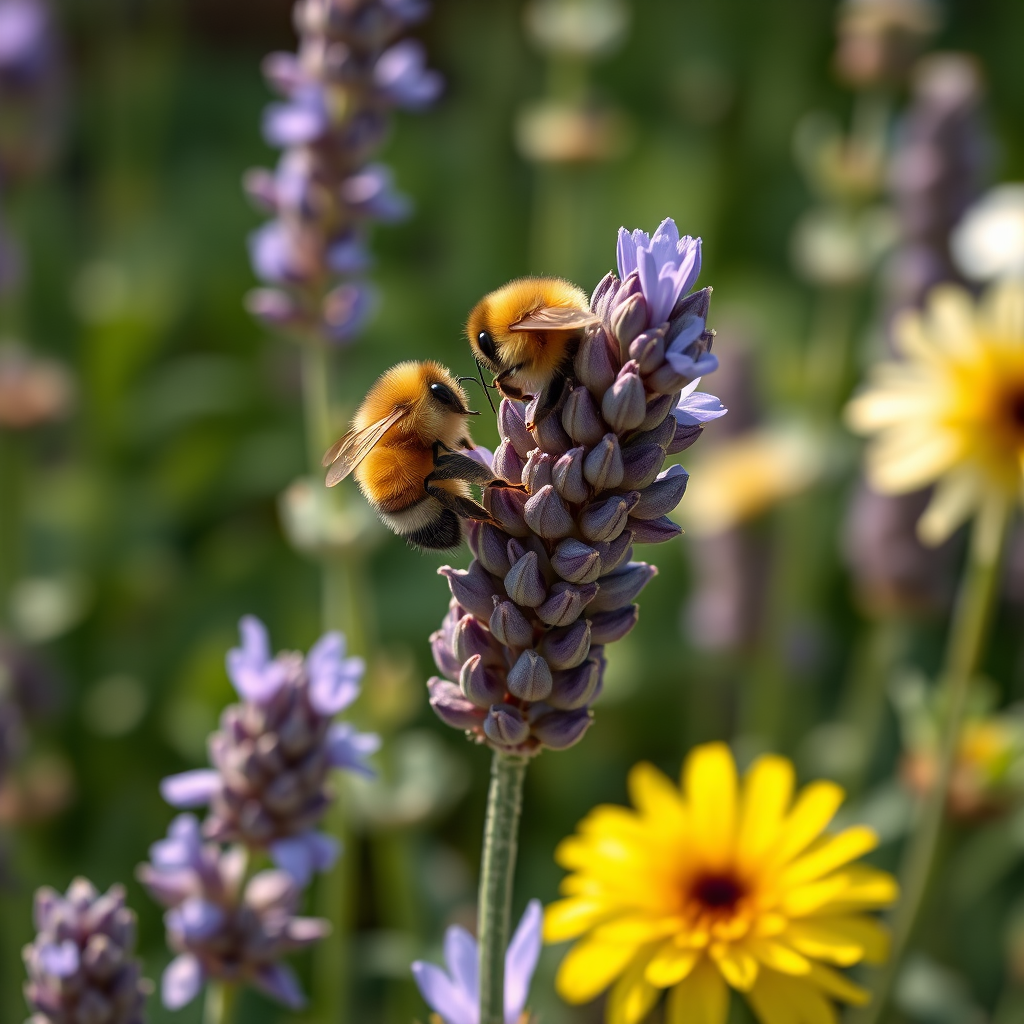

The RSPCA has released straightforward guidance on protecting bees as numbers across Britain continue to fall.
The animal welfare organisation is observing World Bee Day on May 20 by offering tips on ways households can assist in preventing local species disappearance.
Research from the organisation reveals British bee numbers have dropped by a third over the past three decades.
Officials warn nearly 13 percent of British bee varieties face potential elimination because of vanishing habitats, chemical pesticide exposure, and climate-related consequences.
At present, the nation hosts 270 distinct bee varieties, with 35 considered threatened and 13 already vanished entirely.
The RSPCA stresses that every personal contribution matters for these vital pollinators, whose significance reaches well beyond individual gardens.
Rebecca Machin, the RSPCA’s wildlife specialist, drew attention to bees’ frequently underappreciated intelligence and practical value.
According to Ms Machin, bees demonstrate remarkable ability to carry out intricate activities, maintain sophisticated social structures, and serve as indispensable pollinators.
She emphasised the necessity of looking after them while noting that anyone can make a difference.
Summer offers numerous opportunities for demonstrating compassion towards creatures, with bee-friendly actions such as cultivating indigenous blossoms or setting up a drinking area potentially making significant improvements to their survival and prosperity.
The RSPCA recommends constructing a homemade hydration point for bees.
This requires a shallow vessel, cleaned gravel or pebbles, and either collected rainwater or standing tap water.
Guidance suggests placing thoroughly rinsed pebbles in the dish or saucer to provide bees with secure perching spots where they can drink safely.
The setup should occupy a shaded position and contain rainwater, keeping the stone surfaces dry for landing.
Daily inspection and water replenishment are also advised.
Individual actions directly influence bee welfare, with these insects supporting a third of global food supplies through their pollination of 75 percent of major agricultural products worldwide.
Despite this significance, research from the RSPCA’s Animal Kindness Index indicates under half of the population acknowledges bees as sentient creatures capable of experiencing physical and emotional states.
Members of the public are being urged to post images and footage of their bee-supportive environments and activities on social platforms, with the goal of inspiring additional families and acquaintances to engage in animal welfare efforts.