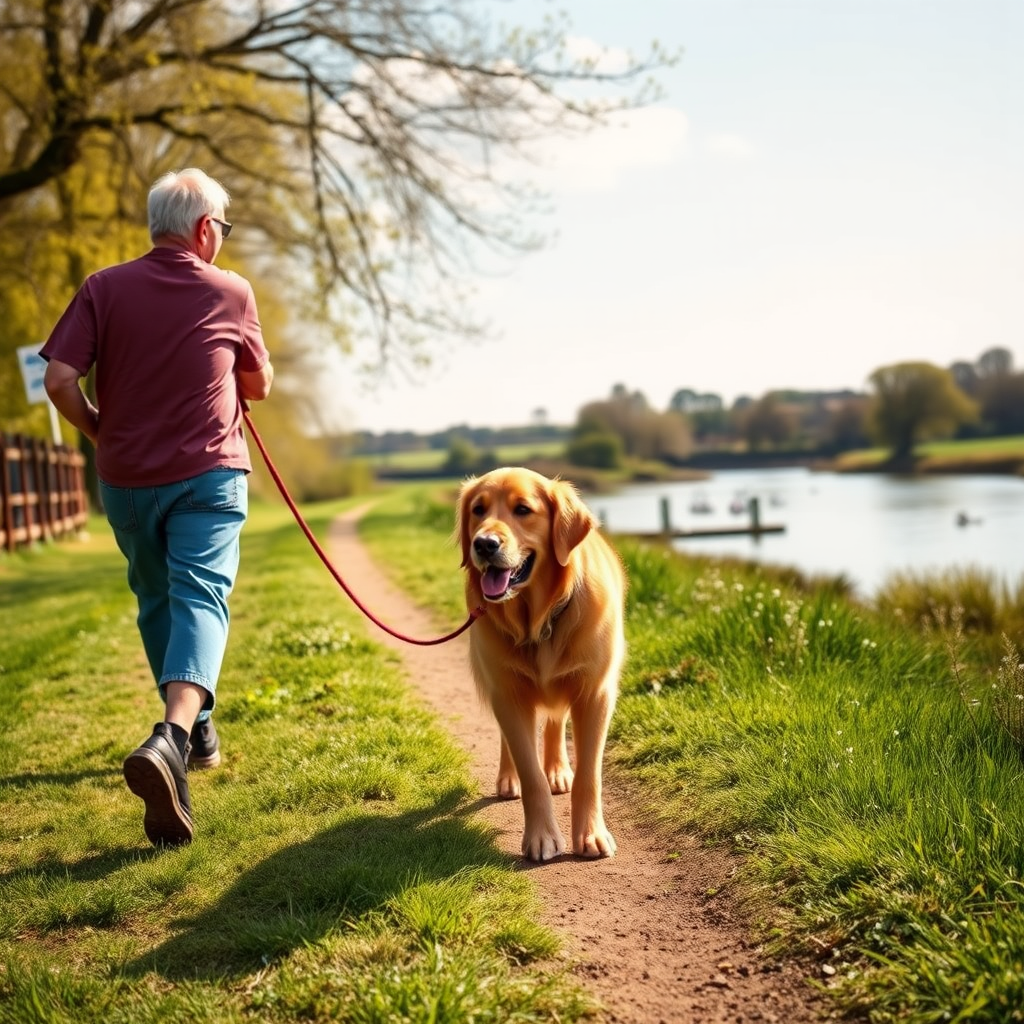

The late May bank holiday weekend has arrived, prompting warnings for those with furry companions to remain vigilant about typical hazards.
Planning a trip out with your four-legged friend? Here is what you need to know.
Various situations can put animals at risk during longer walks, garden parties and visits to rivers, lakes and reservoirs.
As warmer weather encourages more time outdoors, the chief executive of fresh dog food business Years cautions that the long weekend could create an ideal storm for canine welfare.
Darren Beale observes that holiday weekends typically involve longer excursions, busier green spaces, outdoor cooking, garden time and trips to beaches or inland waters. This is excellent for dogs, but it also increases the chances they will ingest, drink or encounter something unsuitable.
Bank holiday hazards owners should note:
Ponds, reservoirs, canals and stagnant water
Owners should stop dogs from lapping up water from lakes, canals, ponds and still water sources, especially during heatwaves.
Some bodies of water may contain harmful bacteria, parasites or toxic algae capable of causing illness.
Darren recommends always having fresh drinking water available during walks. If a dog becomes thirsty, it is likely to drink from puddles, lakes or motionless water before the owner can intervene.
Lengthy walks in hot weather
Those planning extended holiday strolls should avoid the midday sun and watch for signs of overheating.
Darren explains that dogs frequently fail to acknowledge their own boundaries. Laboured breathing, falling behind, excessive salivation or appearing disoriented all serve as red flags. Choosing shorter routes through shaded locations makes more sense than attempting lengthy journeys in intense heat.
Barbecue remnants and al fresco dining scraps
Cooked bones, skewers, alliums, corn kernels, fatty scraps and dropped morsels can all damage canine health.
Darren notes that festive cuisine accounts for some of the most frequently overlooked threats. Dogs will hunt for scraps if given the chance, so grilling areas, picnic spreads and bins must stay out of reach.
Awns, thorns and sharp garden waste
After walking through overgrown grass, countryside or parks, guardians should check paws, ears and fur for grass awns, prickles or hazardous objects.
Darren points out that grass awns can lodge in paws, ears or skin and occasionally demand veterinary attention. A quick check following walks can prevent a small irritation from becoming a significant issue.
Garden treatments and decaying matter
Compost, mulch, plant feeds and molluscicide all pose risks if ingested, particularly during spring when outdoor spaces undergo maintenance.
Darren notes that dogs gravitate towards strong scents, making compost and garden treatments enticing. All garden products demand safe containment and should remain well away from pets.
Darren’s bank holiday safety guide for dog guardians
Carry clean drinking water on every expedition
Stop dogs from lapping from lakes, ponds or motionless water
Walk during early morning or evening when temperatures are lower
Keep barbecue remnants, skewers and bins secured
Examine paws, ears and coats following walks
Lock away compost, fertilisers and snail bait
Maintain close observation when dogs are near unknown gardens, lakes and dining spots
Darren remarks that most holiday hazards can be avoided. The key lies in preparation and seeing the day from the dog’s perspective. What catches their attention through scent, what looks edible, and what might they bound towards before the owner can intervene?