Heathrow has suggested that passenger numbers for the rest of the year could be affected by events in the Middle East. Around 18.9 million passengers passed through its four operational terminals in the first three months of the year. This marked a 3.7% rise compared to the same quarter the previous year, which the airport credited to its ability to temporarily handle traffic from other areas. The hubs in Dubai, Doha and Abu Dhabi normally handle roughly 500,000 passengers each day, functioning as crucial links between Europe and the Asian and Australian continents. Air services experienced major disruption after hostilities began in the Middle East on February 28. Although most of the affected airspace has returned to normal operations, many passengers are still opting to stay away from the area because of continued unrest. In its financial statement, the airport noted that while it has temporarily taken on traffic from other locations, visitor numbers for the rest of the year are expected to be influenced by the prevailing uncertainty in the Middle East. Sally Ding, Heathrow’s chief financial officer, mentioned that expansion plans for a third runway would move forward if the right regulatory framework and government backing were in place. She noted that the airport is currently operating at full capacity, which results in limited options and increased costs for travelers, along with economic disadvantages for Britain. Quarterly revenue climbed 2.3% to £844 million, driven by increased passenger throughput, retail revenue and premium service memberships. Yet adjusted operating costs jumped 6.5%, due to elevated labour expenses and national insurance payments, technology investments and greater support services for passengers.
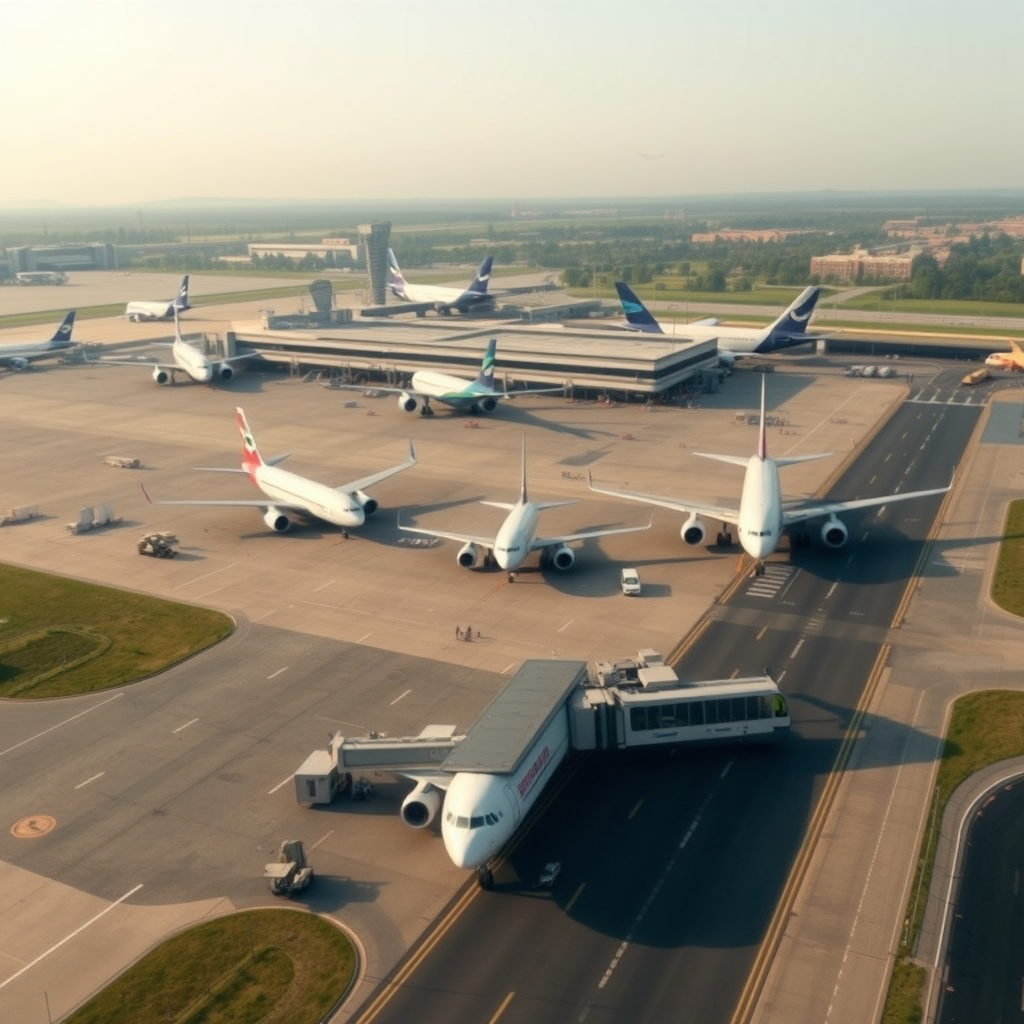
This is a digital representation, not a photograph.
