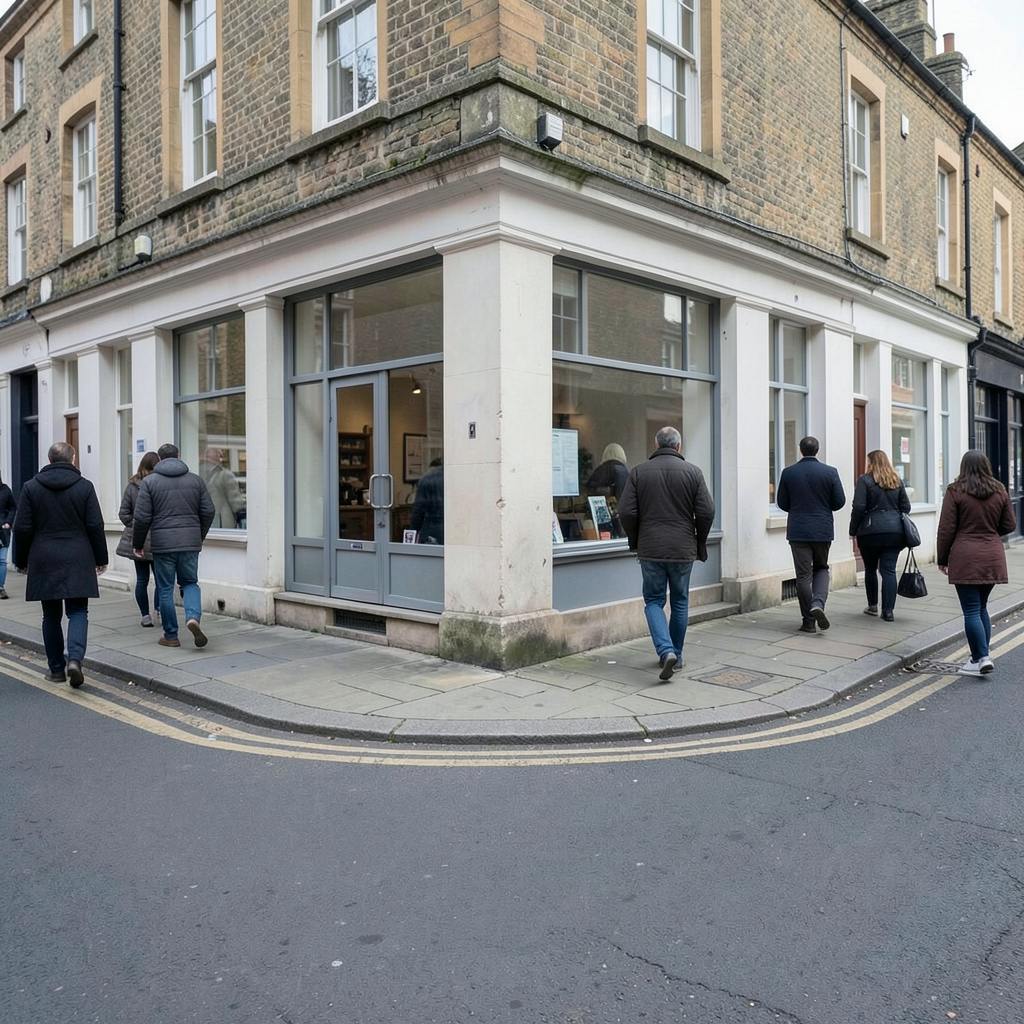

An Oxfordshire market town is hoping to secure the distinction of becoming the UK’s first Town of Culture.
Wallingford has formally entered the competition, putting forward an ambitious proposal to position one of England’s best-preserved historic towns squarely within the country’s cultural landscape.
Located in South Oxfordshire on the banks of the River Thames, Wallingford stands as a historic market town whose story stretches from its Anglo-Saxon origins through to the medieval era.
The settlement served as a significant crossing point for William the Conqueror and today flourishes as a contemporary community, as demonstrated by landmarks including its Town Hall, which dates from 1670.
The government-backed programme will see towns from across the country competing for the title, backed by a £3 million fund intended to finance a twelve-month programme of cultural events and sustainable growth.
For Wallingford, the bid goes beyond simply presenting a schedule of happenings. Instead, it centres on a fundamental vision: a place where England’s past remains visible and can be actively encountered, and where culture emerges through public participation alongside artistic performance.
Matt Gleave, who serves as Events and Communications Manager at Wallingford Town Council, explained that Wallingford holds an exceptional cultural inheritance to offer.
From its Anglo-Saxon roots and medieval significance through to its vibrant present-day neighbourhood, culture in this location is not something that happens intermittently – it forms part of everyday life.
What makes Wallingford different is the way historical legacy, artistic expression and community spirit come together. This bid allows us to present that with greater conviction and extend an invitation to others to witness it for themselves.
The proposed scheme, currently using the provisional name Small Town, Big Stories, will focus on uncovering and connecting the various strata of Wallingford’s history and contemporary life, blending conservation efforts, the arts, storytelling and community-led activity.
The aim is to animate the entire town, from its historic streets and public spaces to the riverside and surrounding rural areas.
While larger destinations often command attention in cultural debates, Wallingford’s bid highlights the particular contribution that smaller settlements make in shaping the nation’s character.
With its Anglo-Saxon street pattern still intact, its royal charter granted in 1155, and a strong tradition of civic participation that continues to this day, the town offers both genuineness and continuity.
The bid will also draw upon existing partnerships throughout the town, working alongside community organisations, volunteers, educational establishments and creative groups to ensure the project is both inclusive and rooted in local life.
If successful, the Town of Culture designation would enable substantial improvements to Wallingford’s cultural offerings, helping to attract new visitors, strengthen the local economy, and establish the town more prominently within the UK’s cultural arena.
Further details about the bid and opportunities for involvement will be made available in the coming months, according to Wallingford Town Council.