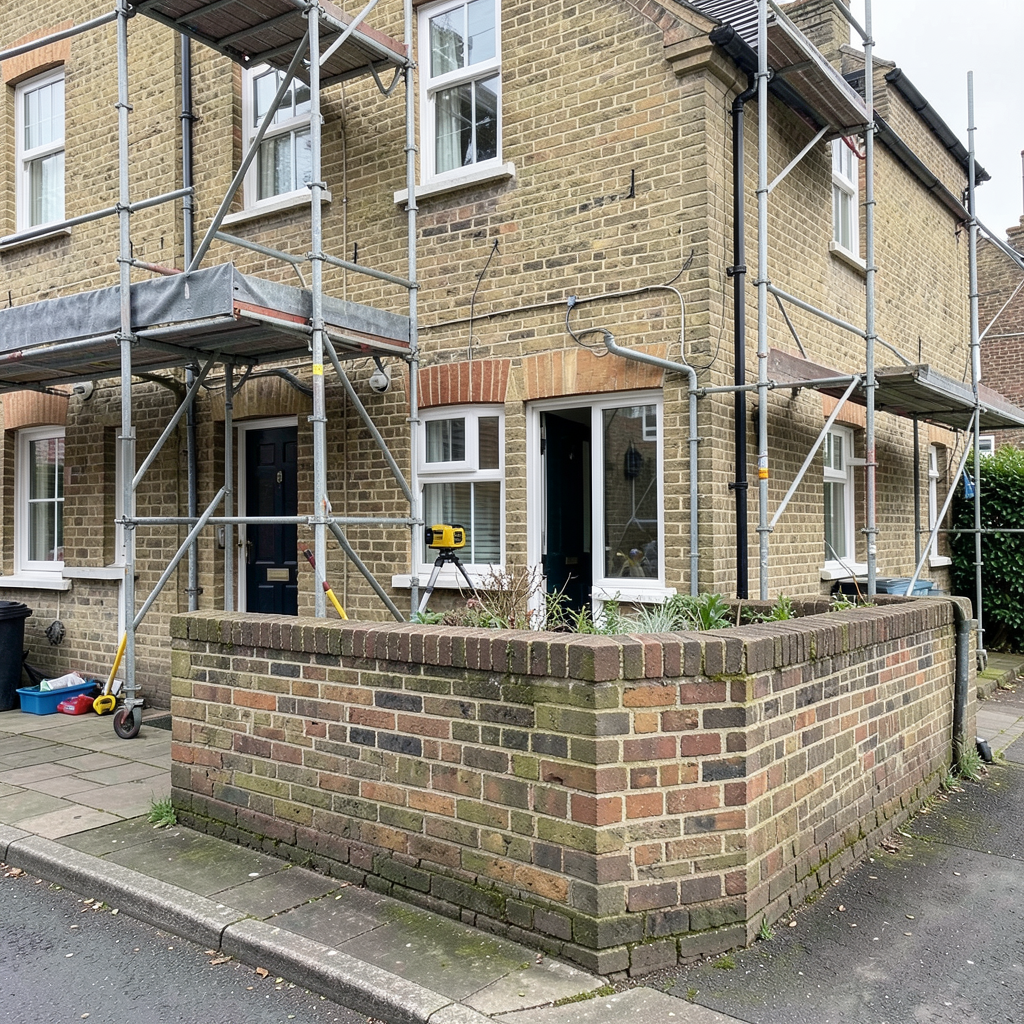

A housing specialist is guiding property owners through the safe process of taking out and recycling outdated radiators.
With increasing incidents of illegal dumping and improper radiator extraction, there could be serious financial consequences.
This guidance may help homeowners steer clear of penalties for unlawful disposal and prevent expensive errors that could slash a property’s worth by approximately £37,000.
Sam Carter, Radiator Specialist at Appliances Direct, stated that homeowners need to be aware of the dangers associated with incorrect radiator removal.
The company has observed a rise in DIY home improvement videos on platforms such as TikTok, where individuals attempt to drain radiators independently, sometimes even pouring radiator fluid into bathtubs.
Although these tasks may appear straightforward online, errors can rapidly become costly. When heating systems sustain damage or remain partially dismantled, urgent repair issues identified during property surveys can diminish a home’s selling price by roughly 10%, which translates to devaluing a typical property by around £37,000, based on the average house price of £368,019.
Consequently, those arranging improvements before placing their property on the market should ensure radiators are removed correctly and disposed of in an appropriate manner.
Steer clear of these eight errors when taking out and getting rid of old radiators
Opening a heated radiator
Solution: Switch off the boiler and wait – ensure your central heating system is turned off two hours before commencing work.
Activating a valve while the system remains hot and the water is pressurised will cause water to spray everywhere, destroying carpets and potentially causing severe burns.
Detaching the radiator without shutting off the supply
Solution: Seal both valves and track the rotations. Rotate the valves on either side clockwise to halt the flow to that specific radiator.
If one side features a plastic cover (a shield valve), make a note of how many rotations it requires to close, as this figure will be necessary later for rebalancing your system.
Leaving exposed pipes in your flooring
Solution: Fit caps onto the open valves immediately – once the radiator is removed, you will be left with two exposed pipes protruding.
Failing to attach a cheap blanking nut means the pressure throughout your entire heating system can fall, which becomes extremely difficult to remedy in cold weather.
Transporting a leaking radiator through your home
Solution: Block the ends before relocation – older radiators contain dark sediment that leaves permanent marks.
Before lifting it from the wall, shield the open ends with cloth or refit the plastic caps to prevent that murky water from dripping onto your light-coloured carpets and flooring.
Attempting to lift a heavy radiator single-handedly
Solution: Always enlist another person – cast-iron radiators are surprisingly weighty.
Attempting solo transport is a quick route to a back injury or dropping the unit onto wooden flooring. Protect your back and your floors by requesting assistance.
Placing metal in household waste containers
Solution: Deliver it to a waste facility, or contact a scrap dealer – radiators cannot go in your wheelie bin, your local council tip accepts them without charge as metal scrap.
Alternatively, you can locate a nearby scrap yard, which may even offer you a small payment based on the metal weight.
Spending money on removal when you could profit
Solution: Handle the removal yourself or contact a scrap collector – a tradesperson might bill you £80 per radiator for extraction, whereas doing it yourself preserves the money.
Superior still, scrap metal collectors frequently remove radiators at no cost, or occasionally even compensate you, because the metal holds value for them.
Treating electric radiators as scrap metal
Solution: Categorise them as electrical refuse – if your radiator features a plug, operates on oil, or runs on electricity, it does not belong in the metal scrap container.
These fall under Waste Electrical and Electronic Equipment regulations and must be delivered to an authorised electrical recycling centre.