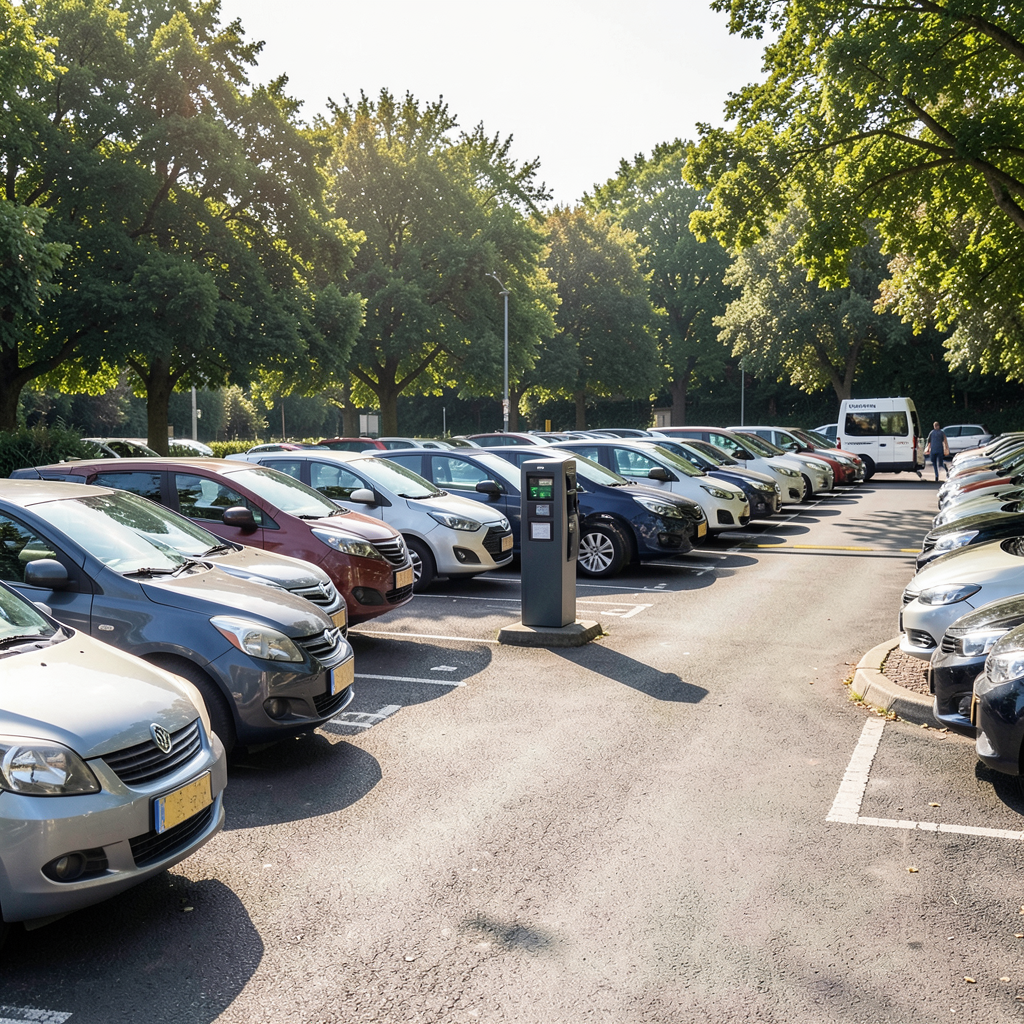

Council-operated car parks across Oxfordshire generated almost £12.5 million during the 2025/26 financial year, according to information obtained through freedom of information requests.
Oxford City Council, Cherwell District Council, South Oxfordshire District Council and Vale of White Horse District Council received a combined £12.49 million from 94 car parks.
West Oxfordshire District Council was the only district authority charging no fees for parking at its council facilities.
Parking at West Oxfordshire’s 16 public off-street car parks is free.
The authority instead receives parking-related income through penalty charge notices, of which 2,143 were issued during 2025/26 with a combined value of £122,570.
Vale of White Horse District Council received £942,000 from its parking operation.
This consisted of £819,000 in gross cash takings and £123,000 from annual permits.
Its 12 car parks are located in Abingdon, Wantage and Faringdon, with eight in Abingdon, three in Wantage and one in Faringdon.
Portway in Wantage was the authority’s highest-earning facility, taking more than £136,000 in cash.
West St Helen Street in Abingdon generated slightly less than £131,000, while Civic in the same town collected approximately £113,000.
Rye Farm in Abingdon received around £106,000 and Charter Level 1 brought in just under £63,000.
Operating, maintaining and administering the car parks cost £934,000 in 2025/26, resulting in a small deficit.
A council spokesperson said the facilities support town centres, nearby businesses and access to public services.
Parking receipts partly meet running costs and reduce the amount needed from council taxpayers.
Recent work at Cattlemarket car park in Abingdon and Portway included resurfacing, additional lighting, more planting and rain gardens.
Charges were frozen for 2026/27, while potential revisions will be examined when the authority prepares its 2027/28 budget.
South Oxfordshire District Council recorded gross cash income exceeding £1.85 million.
Its portfolio contains 17 car parks: one at Didcot, three at Henley, two at Thame and six at Wallingford, as well as single sites at Benson, Chinnor, Culham, Goring and Wheatley.
Kings Road in Henley was the largest source of income, raising £618,000.
Greys Road in Henley followed with £325,000, ahead of Cattle Market in Wallingford at £191,000.
Cattle Market in Thame took just over £160,000, while Edinburgh Drive in Didcot generated approximately £128,000.
Running and administering these sites cost more than £1.5 million, leaving a surplus of £301,000.
A spokesperson stated that receipts from council-owned car parks are reinvested in their upkeep and development.
Spending covers routine operations, repairs, surface improvements, illumination, signs, payment equipment, enforcement and administrative work, alongside investment in parking infrastructure.
Income remained broadly unchanged from 2024/25, and the surplus assists in keeping the facilities safe, accessible and suitable for use.
Future charge changes will be considered as part of the 2027/28 budget process.
Cherwell District Council earned more than £1.7 million from its 22 managed car parks across Banbury, Bicester and Kidlington.
Bolton Road in Banbury was its highest-earning site at £417,000.
Other leading earners were Market Place in Banbury, which received about £187,000, and Claremont in Bicester with £157,000.
Cattle Market in Bicester generated approximately £153,000, while Horsefair in Banbury took £134,000.
Cherwell District Council was contacted for comment.
Oxford City Council produced the largest share of the countywide total, taking approximately £8 million from 27 public car parks, five of which are park and ride facilities.
Individual site takings were unavailable because the authority’s reporting system does not compile separate income figures for each car park, and examining the underlying financial records would exceed the permitted cost threshold.
The council said parking receipts form part of its wider funding and help finance the provision of public services.
Each annual budget is required to balance expenditure against income from various sources, including charges levied at its car parks.