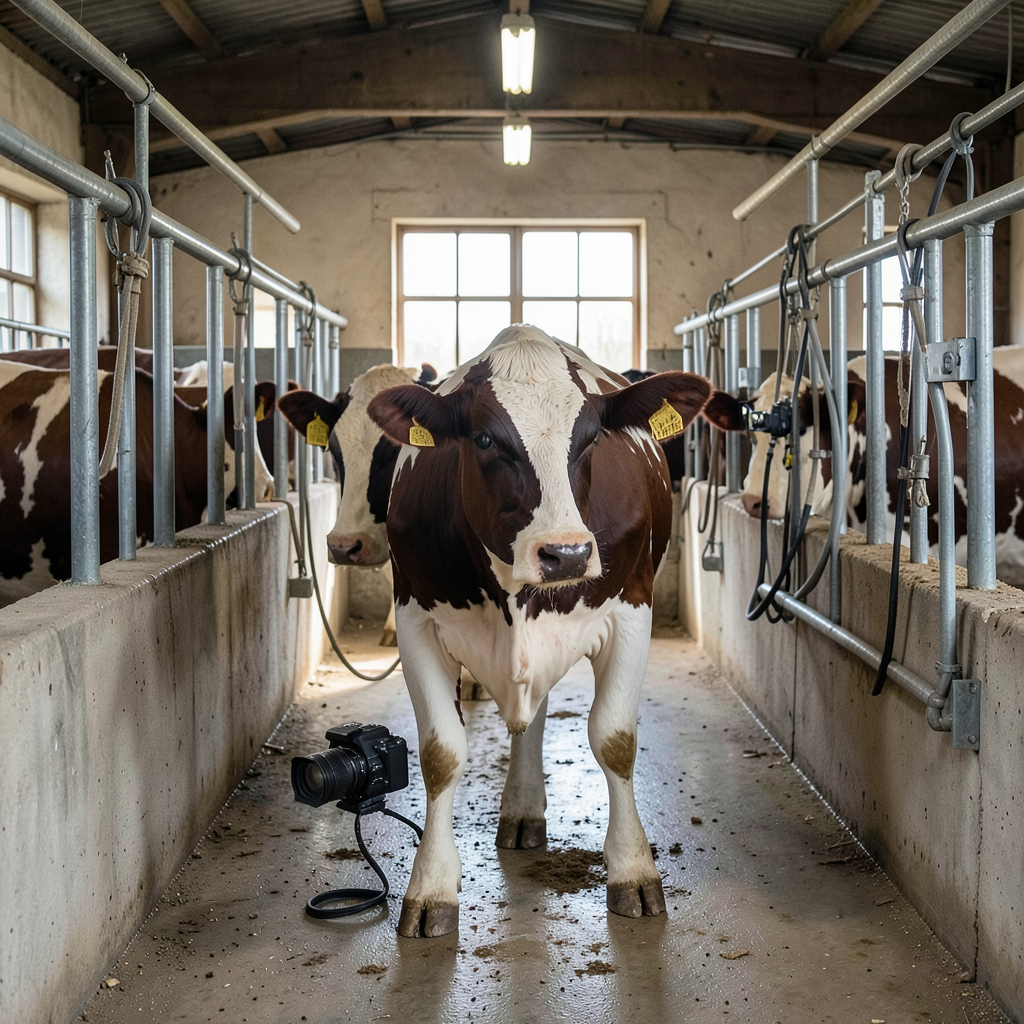

Undercover recordings made at 15 dairy farms prompted Tesco to suspend three suppliers while it examines alleged animal welfare failures at the sites.
The retailers involved are Kingston Hill Farm near Abingdon in Oxfordshire, Bramley Farm near Daventry in Northamptonshire, and Oak Lodge Farm in Stoney Stanton, Leicestershire.
Animal Justice Project said its covert footage, recorded between October of the previous year and September, depicted treatment and living conditions that breached welfare standards.
Every farm shown supplied dairy company Arla, while the three suspended businesses were also part of Tesco’s supply chain.
At Kingston Hill Farm, investigators reportedly observed severe lameness in cows that were required to walk, rough handling, the twisting of tails, verbal abuse and the application of what the organisation described as excessive force.
A Tesco spokesperson said animal welfare was a matter of the highest priority and that every supplier was expected to meet the retailer’s standards.
The supermarket said the material included distressing scenes and that the suspended farms would remain out of the supply chain during a thorough investigation.
Tesco added that allegations would be examined even when a farm did not supply its own-brand products.
Animal Justice Project campaigns director Ayrton Cooper welcomed the suspensions but said further action was required.
According to Cooper, an independent expert identified 360 potential breaches across ten farms.
Those findings included lame cows being made to walk, animals being kicked and struck, and calves being separated from their mothers within minutes of birth.
Arla said reports and concerns were being treated seriously.
Its investigation identified unacceptable conduct that fell below the company’s standards, resulting in the suspension of milk collection from a number of participating farms.
Those farms were placed on action plans requiring extensive training and follow-up measures, with compliance monitored closely and additional action threatened if standards were not met.
Arla also said it was strengthening welfare requirements throughout its operations.
Planned changes included annual training in animal handling for farm staff, tighter controls over handling practices and equipment, and more frequent unannounced audits.
Assessments of some farms involved found no animal welfare concerns.