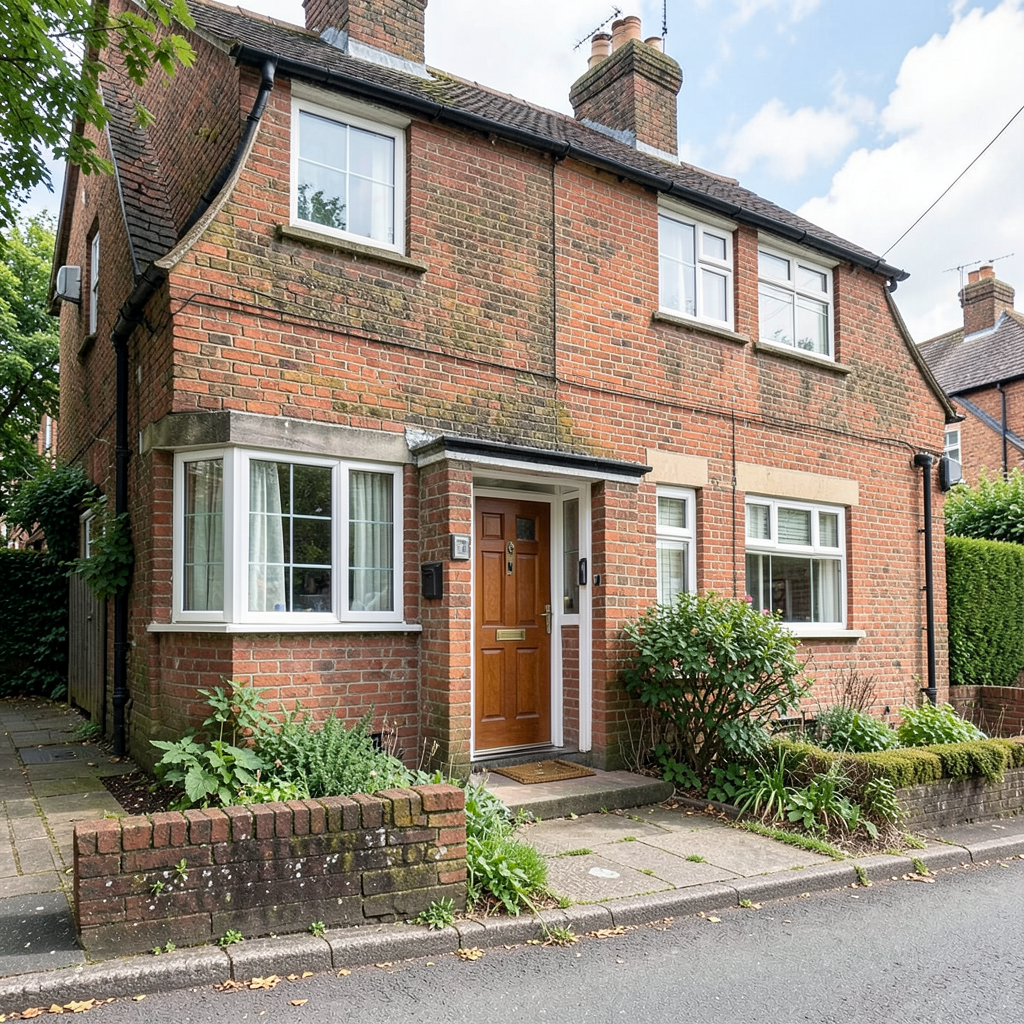

The proposal to construct 31 affordable residences on a Oxford green space has prompted a fresh examination of plans that were initially sanctioned during the summer months.
The city’s planning review panel will convene on a Wednesday in September to reconsider the Bertie Park initiative following intervention by twelve elected members who triggered a formal reassessment.
Municipal planning experts have advised the committee to endorse the scheme once more, with the development representing a £9 million undertaking overseen by Ox Place, the authority’s dedicated housing vehicle.
An official assessment concluded that the project aligned with both national and local planning frameworks, noting that no substantive grounds existed for rejecting the application given the minimal anticipated negative consequences.
Concerns expressed during earlier deliberations included vehicular access difficulties highlighted by local residents and law enforcement personnel, alongside apprehension regarding potential degradation of leisure and sporting amenities.
The organised opposition, Save Bertie Park, has campaigned against the development since 2019 and has indicated its intention to persist with resistance following the initial consent.
Research conducted by the campaign revealed substantial public use of the grounds, with participants expressing the view that conditions post-construction would prove inferior to current circumstances.
A formal objection was lodged representing the positions of 97 members affiliated with the group.
The authority’s planning records document numerous representations opposing the scheme.
One contributor to the consultation maintained complete opposition, describing the proposal as inadequately considered.
The individual cited what they characterised as an absence of meaningful engagement and asserted that responses from local inhabitants had been disregarded.
The objection emphasised that the development would eliminate the sole area of natural ground available for juvenile recreation and informal relaxation within that sector of Oxford.
Another participant articulated concerns regarding acoustic disturbance, reduction in natural illumination, and erosion of communal facilities.
The individual expressed apprehension about experiencing considerable detrimental effects should the scheme proceed, suggesting alternative locations existed for addressing local residential requirements.
The contributor noted the proposed site’s vulnerability to flooding and the limited nature of existing recreational zones within the vicinity.
The same individual further stated that long-term inhabitants who had enjoyed tranquil existences had been distressed by the authority’s management of the proposal and the permissions granted.
The contributor maintained that the location proved inappropriate for residential construction and should be abandoned entirely, suggesting those responsible for identifying the site demonstrated unfamiliarity with the community’s attachment to the space.
The objection recommended pursuing development on alternative municipal land rather than reducing the smallest park in the urban area.
When the scheme received approval, the cabinet member responsible for housing matters acknowledged that Oxford’s accommodation shortage was exerting considerable pressure on numerous city residents.
The elected representative observed that numerous households occupied cramped living conditions, faced rental expenses beyond their means, or encountered difficulties securing accommodation at accessible price points.
The official noted that the twenty-two municipal properties included in the scheme could deliver meaningful improvements at a time when four thousand families were registered on the authority’s housing register.
The same contributor observed that the design had been refined to reflect input gathered during the planning process.
New recreational zones would be positioned centrally within the neighbourhood to maximise oversight and accessibility, while an additional crossing and nature pathway would provide entry to sections of green space previously inaccessible to many local residents.