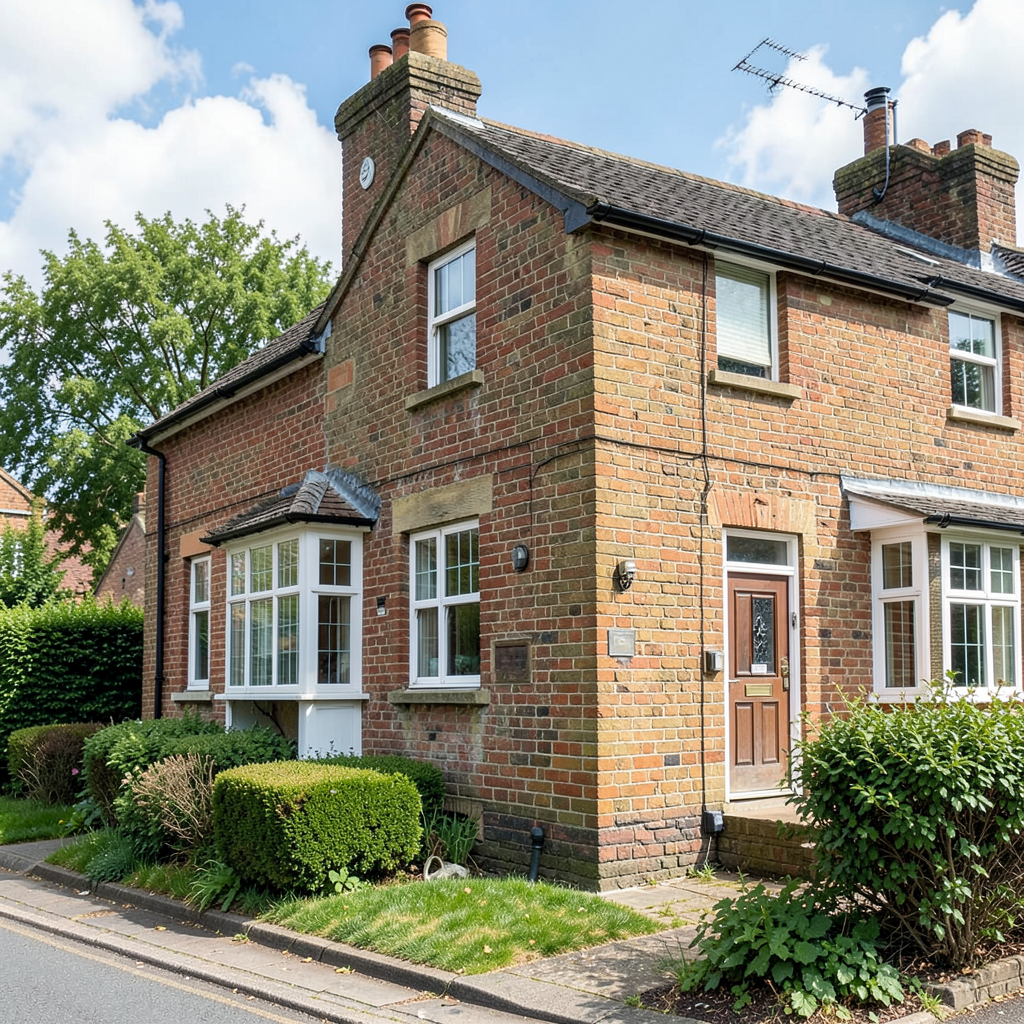

A small Oxfordshire community has staged a groundbreaking ballot on seceding from the United Kingdom, sparked by controversy surrounding plans to accommodate more than a thousand male asylum seekers at a nearby military facility.
Inhabitants of Piddington, a village of approximately 400 residents situated close to Bicester, organised the unprecedented referendum after authorities confirmed a neighbouring Ministry of Defence installation would be transformed to house 1,256 undocumented migrants.
The decision to proceed with the ballot was made in July, with voting occurring throughout Tuesday, September 15.
Among those participating was Charlotte Foster, a 34-year-old expectant mother from the village.
According to Foster, residents attended the polling station to ensure their voices were recorded in the landmark decision.
She noted that while authorities had indicated they would examine the specifics and respond, no substantive reply had been received.
Foster acknowledged the individuals seeking refuge would have their own circumstances, yet expressed uncertainty about the details of their situations.
She stated her perspective might differ if families rather than men alone were being housed at the site.
Rachel Marsh, a 54-year-old resident who has resided in Piddington for two decades, revealed she cast her ballot hoping the referendum would not achieve its intended outcome.
Marsh expressed appreciation that the vote reflected community sentiment, while maintaining that establishing independence was not an appropriate solution.
Herbert Owen, widely known as Herbie within the community, suggested the independence proposal extended beyond Piddington itself.
Owen, 76 years old, indicated the referendum represented the culmination of efforts by previous generations and invoked historical significance comparable to the Battle of Britain.
He characterised the initiative as part of a broader national concern, arguing the current administration was undermining the country.
Owen contended that the placement of asylum seekers in various accommodations, including former military sites and houses of multiple occupation, was causing harm to ordinary people.
Describing Piddington as a charming small village that had experienced minimal transformation since his arrival 33 years previously, Owen expressed his views on the matter.
Max McNally, whose father Tim McNally chairs Piddington Parish Council and played a key role in arranging the ballot, stated the village harboured significant anxiety about the situation.
He described the referendum as essentially a desperate appeal regarding the perceived failure of British democracy.
A Home Office representative outlined that the administration was closing all asylum hotels, resulting in savings exceeding one billion pounds on asylum support since the election.
The spokesperson indicated efforts were underway to provide suitable housing for asylum seekers nationwide, including at former military installations designed to operate independently to minimise effects on local areas.
According to the statement, engagement with local councils and police services was ongoing to safeguard both those accommodated and the surrounding population.
The outcome of the referendum was scheduled to be disclosed the following morning.