
Oxford University Hospitals Trust is seeking approximately £1.2m in savings over the next six months through restrictions on non-pay expenditure and temporary limits on spending across 30 categories.
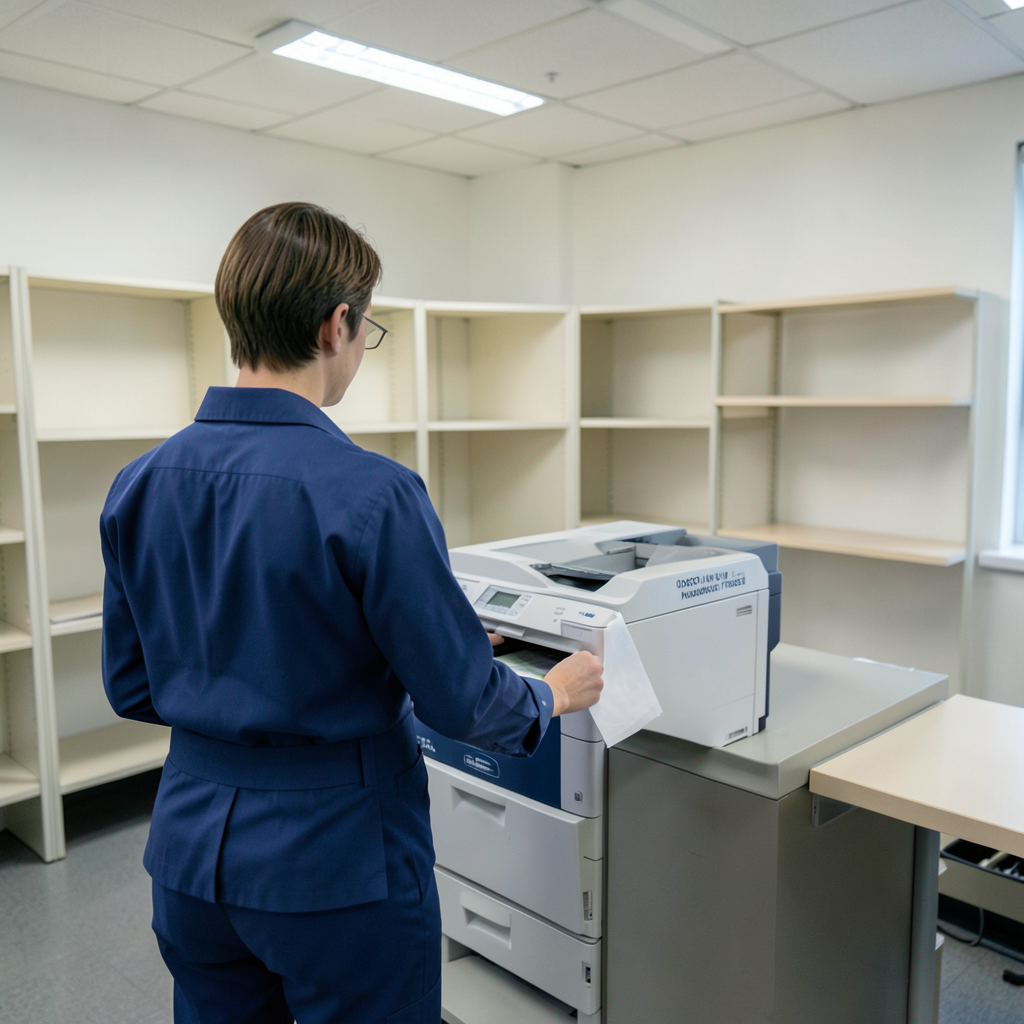
The controls prevent staff from purchasing stationery or paying printing costs.
They also cover hospitality, books, journals, subscriptions, furniture, fittings, hardware and crockery.
The restrictions took effect immediately, although essential expenditure may continue where it is guaranteed not to compromise patient care.
Chief executive Meghana Pandit and chief financial officer Jason Dorsett informed the trust’s 16,000 employees of the measures in an email last week.
Dorsett is due to leave the organisation in the spring.
The senior leadership team warned that the agreed financial recovery plan remains unmet.
The email acknowledged staff efforts to reduce costs and find practical ways to keep expenditure under control.
It explained that a review of purchases had been carried out to identify further reductions and avoid tougher measures.
Non-pay spending covers goods and services bought by the trust, encompassing almost all expenditure other than staff pay.
Staff were asked to restrict orders to items that are genuinely required at the time of purchase and to pay particular attention to areas where spending has been suspended.
The trust said the savings are necessary to restore progress against its financial plan and preserve stability for the remainder of the year.
The temporary spending pause was announced on October 26 and is expected to remain in place until the end of March next year.
Recent financial accounts show the trust moving from a £6.8m deficit in 2024/25 to a £7.0m surplus in 2025/26.
The improvement was attributed mainly to a productivity and efficiency programme, alongside continued reductions in the use of agency staff.
Agency expenditure fell by £4.7m last year and now represents 0.3 per cent of total staff costs.
Income for 2025/26 was budgeted at approximately £1.844bn, meaning the targeted £1.2m saving constitutes a small proportion of the trust’s overall expenditure.
The accounts also recorded an underlying deficit of £87.1m for 2025/26, while the trust was pursuing more than £85m in efficiency savings.
A trust spokeswoman said the organisation was acting to ensure expenditure remained controlled and appropriate, with funds directed towards the areas of greatest need.
She added that patient care would remain unaffected by the cost-saving measures.