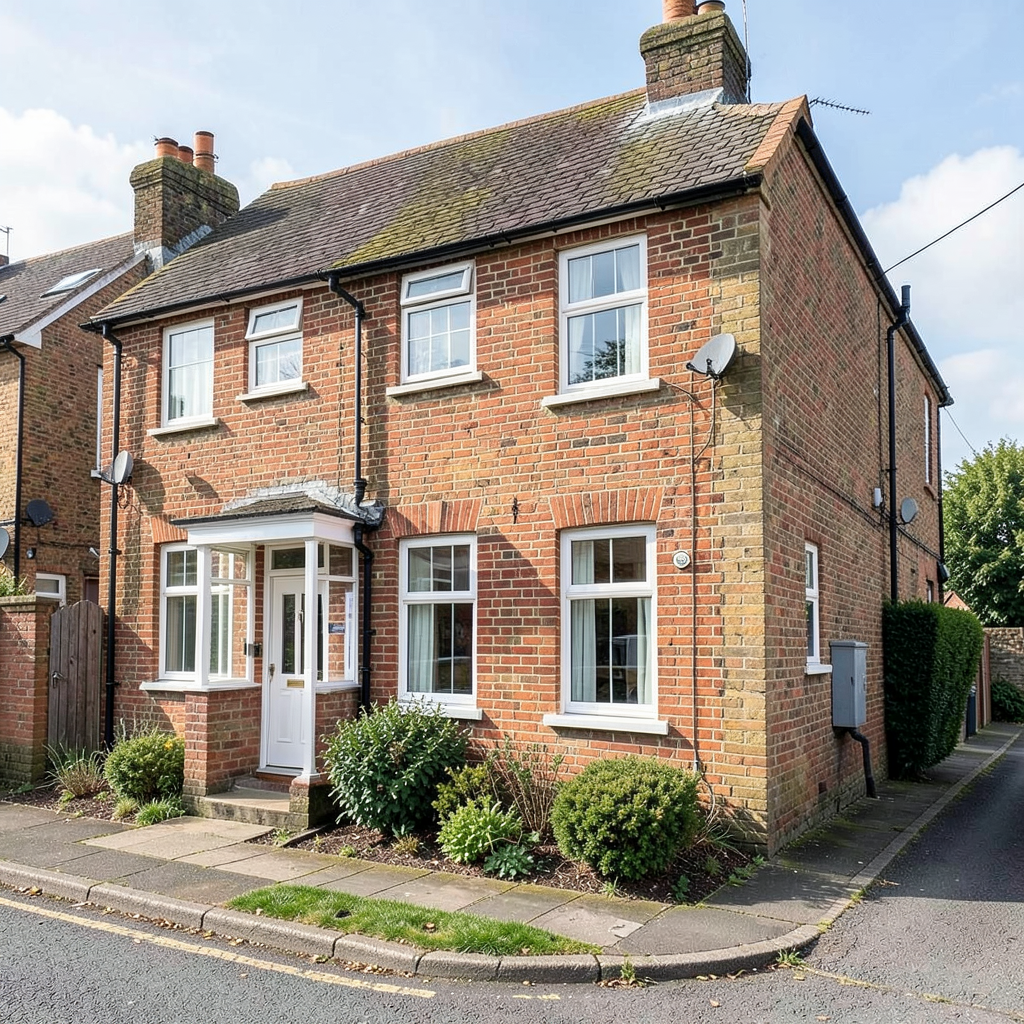

A leading industry organisation has cautioned that residential properties face potential structural complications arising from sustained periods of dry weather.
The Property Care Association has called on homeowners throughout Oxfordshire to monitor their properties for indicators of ground instability, with particular attention recommended for regions characterised by clay-based soils that are prone to contraction.
Such ground conditions undergo expansion when saturated and contract during prolonged drought, which may result in subsurface ground displacement capable of affecting overlying structures.
Andrew Devitt, technical manager at the association, explained that extended dry spells experienced throughout the year can influence the behaviour of susceptible clay substrates, and under certain conditions this can translate into movement impacting the built environment above.
The appearance of cracking within a property understandably causes alarm, though it should be recognised that a crack represents a symptom rather than an immediate determination of cause.
Buildings may fracture for numerous underlying reasons, and the presence of cracking does not automatically indicate that subsidence is occurring.
While limited movement and fine surface fractures typically occur as a result of normal seasonal variations or the gradual adjustment of building materials, certain indicators warrant closer examination.
Property owners should be alert to diagonal fractures appearing in proximity to door and window openings, directional cracking in exterior brickwork, doors or windows that begin to jam unexpectedly, separations developing between walls and ceiling surfaces, and fractures that demonstrate progressive enlargement.
Documentation of notable or evolving cracks through regular dated photography was advised, along with systematic observation of any changes over time.
Additional recommendations included inspection for maintenance deficiencies such as defective rainwater systems, drainage infrastructure, or plumbing installations, with property insurers to be notified should structural ground movement be suspected.
The association serves as the representative body for the United Kingdom’s structural protection sector and offers technical guidance concerning building remediation through its online platform.