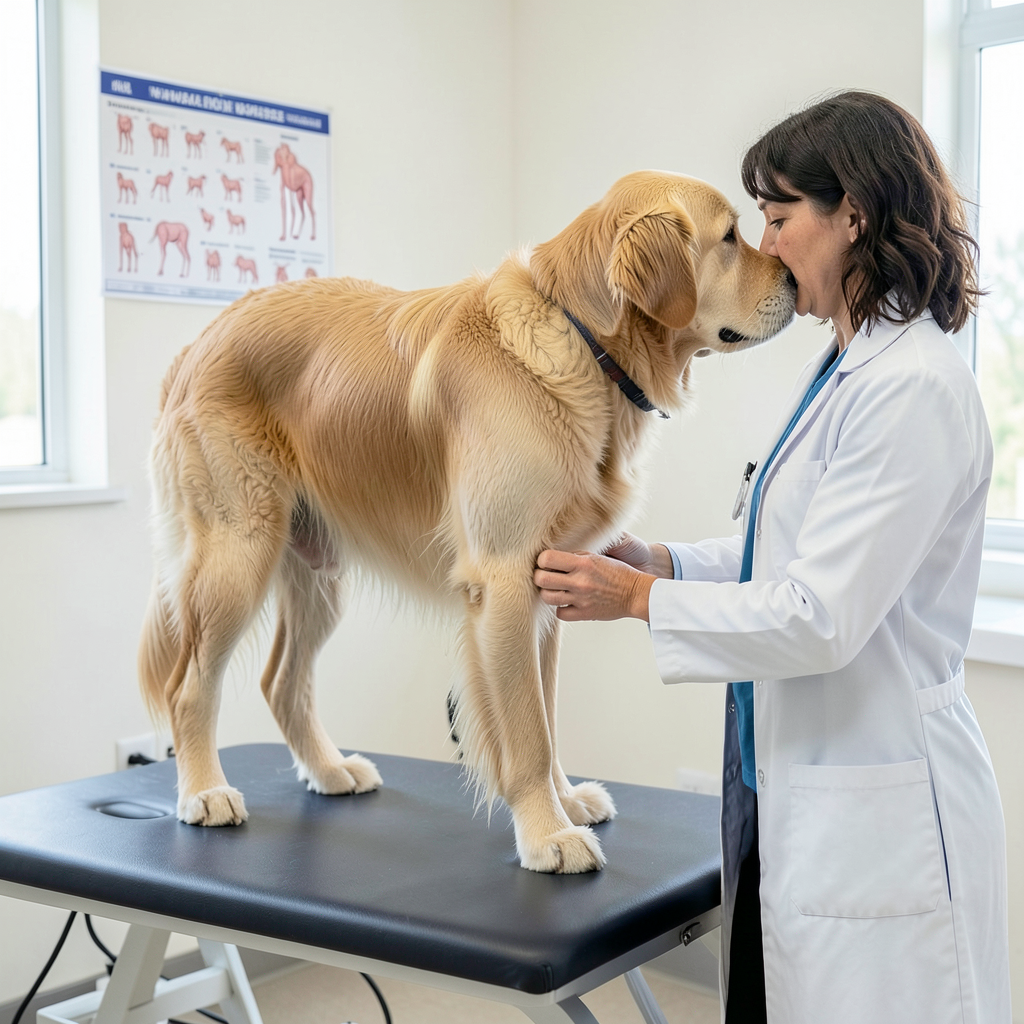

A veterinary practice in Oxford is highlighting the risk of arthritis being overlooked in ageing cats and dogs.
Beaumont Vets, located in Headington, is encouraging pet owners to recognise that reduced activity alone should not be dismissed as a normal consequence of advancing years, as alterations in mobility and everyday routines can indicate persistent joint discomfort.
The clinic is focusing attention on osteoarthritis in companion animals, identifying it as among the most prevalent sources of long-term pain affecting senior cats and dogs.
Hannah Gardiner, lead veterinary surgeon at the practice, explained that a widespread misunderstanding exists among pet owners who assume diminished energy is simply an inevitable aspect of the ageing process.
She noted that canines demonstrating reduced willingness to cover distances during walks, appearing uncertain when confronted with staircases, or requiring additional time to settle into comfortable positions may be suffering from ongoing joint discomfort.
Gardiner emphasised that effective management of arthritis in felines and canines is frequently achievable, and that early detection enables prompt intervention to enhance animal comfort, maintain joint function, preserve movement capabilities and uphold overall wellbeing.
The disorder advances gradually and produces swelling, reduced flexibility and soreness within the joints.
Although no cure exists, appropriate management strategies can support animals in remaining mobile and comfortable over extended periods.
Canine indicators encompass decreased enthusiasm for walks, difficulty navigating steps, rigidity and alterations in temperament.
Feline presentations tend to be less conspicuous, encompassing reluctance before leaping, diminished self-grooming and increased rest periods.
Gardiner observed that feline species demonstrate particular skill at concealing distress, meaning caregivers may fail to notice overt manifestations such as an uneven gait.
She stated that pet proprietors possess the most intimate familiarity with their animals’ typical behaviour, making it advisable to obtain professional guidance whenever any deviation from normal patterns becomes apparent.
The practice advises scheduling consistent veterinary examinations for companion animals exceeding six years of age.