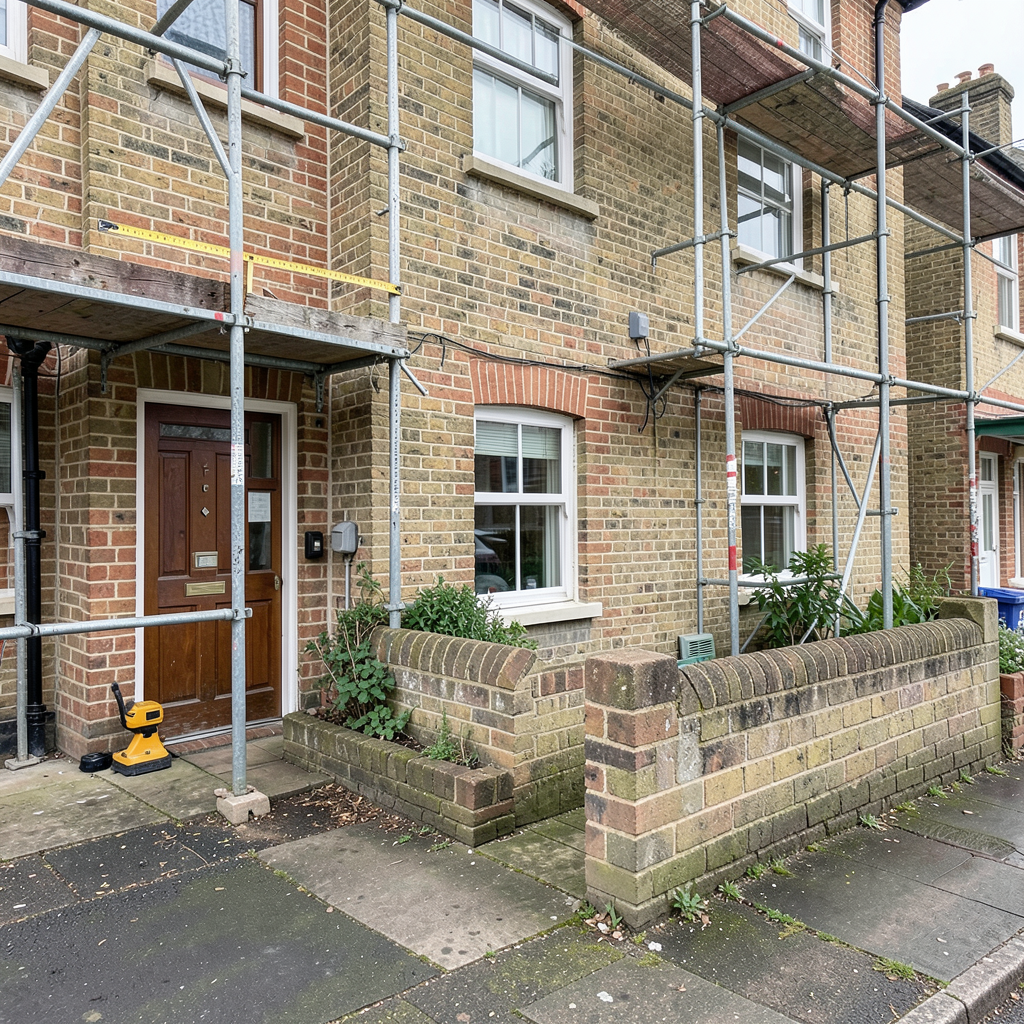

A proposal to significantly increase the size of a contentious Oxfordshire facility for holding immigration detainees is expected to go before a public inquiry after widespread opposition from the local community.
The scheme to enlarge Campsfield House, a Home Office detention centre located close to Kidlington, to accommodate as many as 400 male detainees is presently under review by the Government’s planning inspectorate.
Campsfield resumed operations in 2025 with 160 places, having previously shut down following an examination of detainee welfare and after years of demonstrations, including hunger strikes.
Approximately 250 submissions opposing the expansion were lodged by local residents, employees, local authorities, parliamentarians, human rights supporters and campaign organisations, with numerous calls for the proposal to face public examination to guarantee thorough review.
The development is progressing via the Crown Development pathway, which essentially circumvents the local planning authority on grounds of national significance.
In correspondence dispatched to those who submitted comments on the scheme, the Crown Development casework team at the planning inspectorate verified that a public inquiry would take place and that parties could apply to present testimony.
The letter stated that the application had attracted substantial local concern, that certain matters raised were intricate, and that the evidence would gain from formal testing through questioning.
Objections encompassed allegations of inhumane detention at the site, resistance to its existence being continued let alone increased, concerns about noise, and objections to green belt development.
The correspondence further noted that details regarding the date, timing and location of the inquiry would be published on the application website in due course.
An inquiry constitutes a formal legal procedure resembling a court, employed to assess significant contentious development proposals.
It represents the most authoritative mechanism available to approve or reject plans.
Government guidance indicates such proceedings will be accessible to the public and involve thorough investigation and formal assessment of evidence, typically through expert and other witnesses being questioned, with parties entitled to professional representation.
In a combined declaration, the Coalition to Close Campsfield and Right to Remain outlined their grounds for believing an inquiry was necessary.
The declaration noted that planning inspectorate guidance specifies an inquiry is suitable where evidence requires testing through structured questioning, where matters are intricate, or where significant local concern merits an inquiry rather than a hearing.
The declaration asserted that these prerequisites were satisfied, noting the evidence was complex and contested, and would probably involve specialist material regarding green belt policy, transportation, infrastructure, landscape, ecology, operational requirements, capacity and site arrangement.
In 2003, an inquiry was conducted regarding a proposed asylum seeker reception centre at MOD Bicester, which was subsequently rejected.
That decision was overturned by the government, though the proposals were ultimately never realised.